Cancer
Cancer Regenerative Therapy
Based on an integrative medical system combining Eastern and Western medicine, we provide personalized cancer regenerative therapy designed not only to suppress the proliferation of cancer cells, but also to support the regeneration of damaged tissues.
Rather than focusing solely on eliminating cancer cells, our approach aims to create a foundation for the body’s natural recovery by comprehensively supporting the cellular environment, energy metabolism, immune balance, and regenerative systems.
A New Paradigm in Cancer Care
Cancer Regenerative Therapy
Cancer Regenerative Therapy is a regenerative medicine–based approach that aims to suppress the growth and self-renewal of cancer cells while supporting cellular recovery and creating an environment favorable for tissue regeneration.
01. Suppression of Cancer Cell Proliferation and Self-Renewal
This approach regulates the signaling pathways involved in continuous cancer cell growth and proliferation, helping suppress excessive cellular activity and self-renewal capacity.
02. Inducing Cancer Cell Normalization
Based on research in cellular differentiation and epigenetic regulation, this approach seeks to help cancer cells lose abnormal characteristics and regain functions more similar to those of healthy cells.
03. Regeneration of Damaged Tissue
This approach supports recovery of tissues damaged by cancer and cancer treatment, while strengthening the body’s regenerative foundation through activation of cellular regeneration and circulatory systems.
Scientific Foundations of Cancer Regenerative Therapy
In the fields of regenerative medicine and cellular research, growing evidence suggests that the state of cancer cells may not be permanently fixed, but can potentially be influenced by changes in the cellular microenvironment and signaling systems.
Cancer Reversion
Cancer reversion refers to the process in which cancer cells lose malignant characteristics and regain phenotypes and functions resembling those of normal cells.
This concept is being explored in research areas involving cellular reprogramming, microenvironmental regulation, epigenetic modulation, and cellular signaling control.
Key Research Cases
Research on cellular differentiation and reprogramming suggested the possibility that the self-renewal and proliferative characteristics of cancer cells may be regulated.
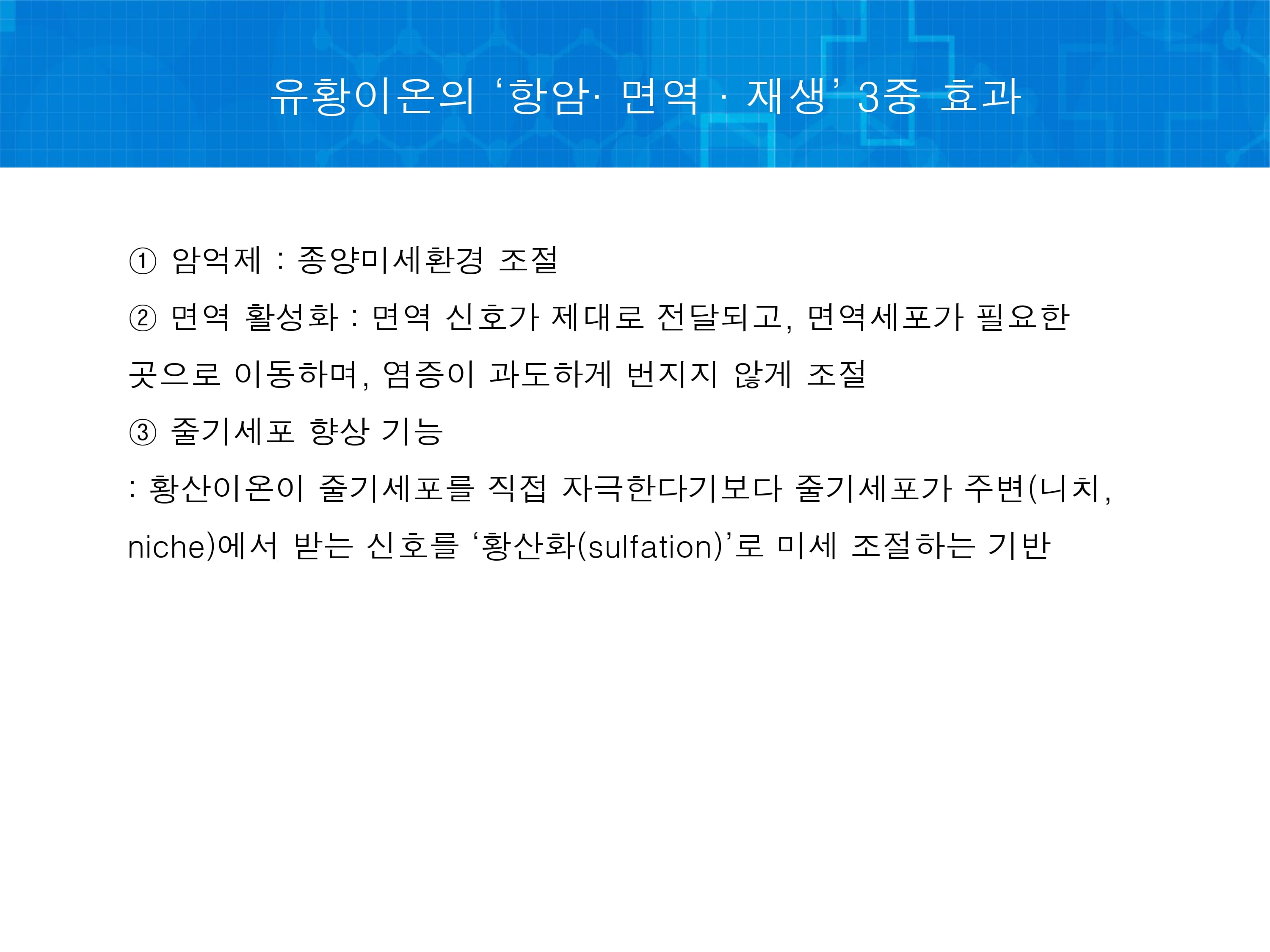
In Cancer Regenerative Therapy, this concept is interpreted as an approach to “placing cancer cells into a dormant state.”
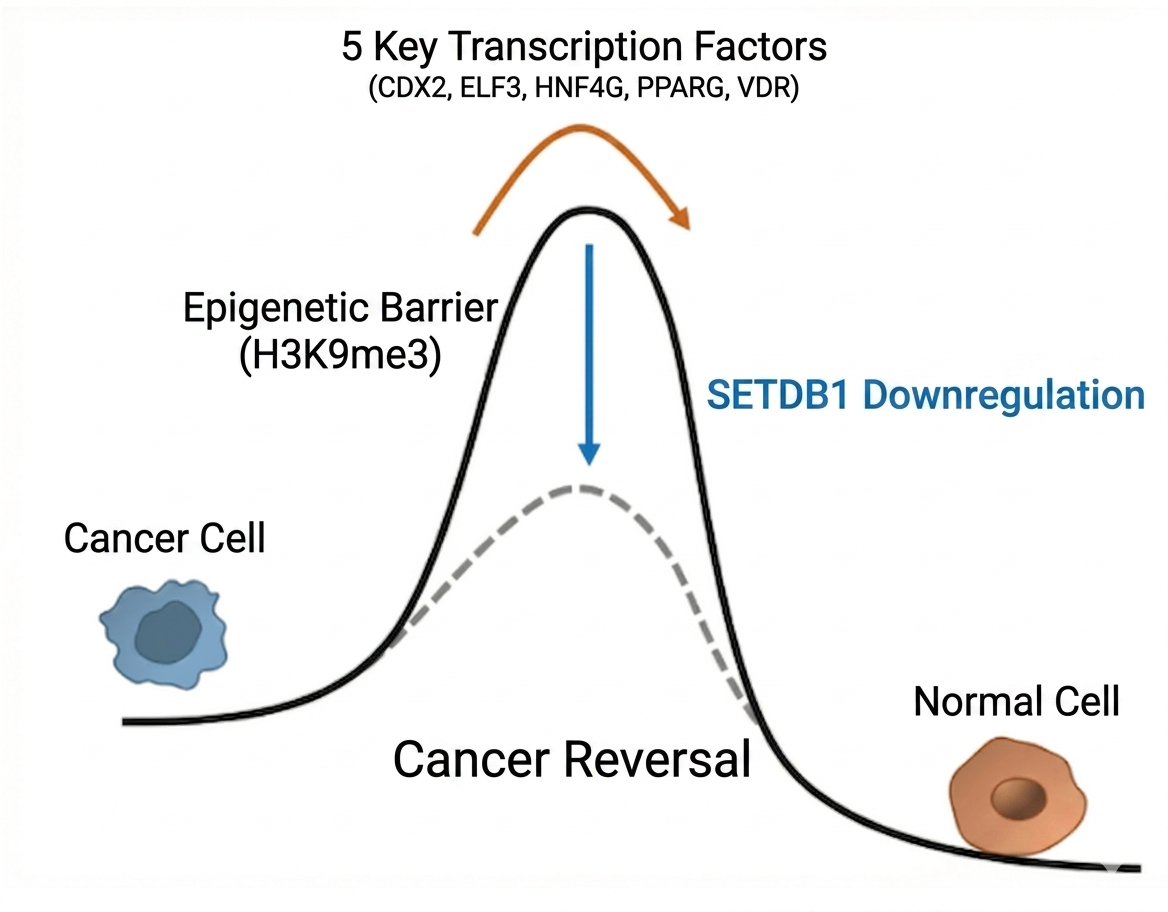
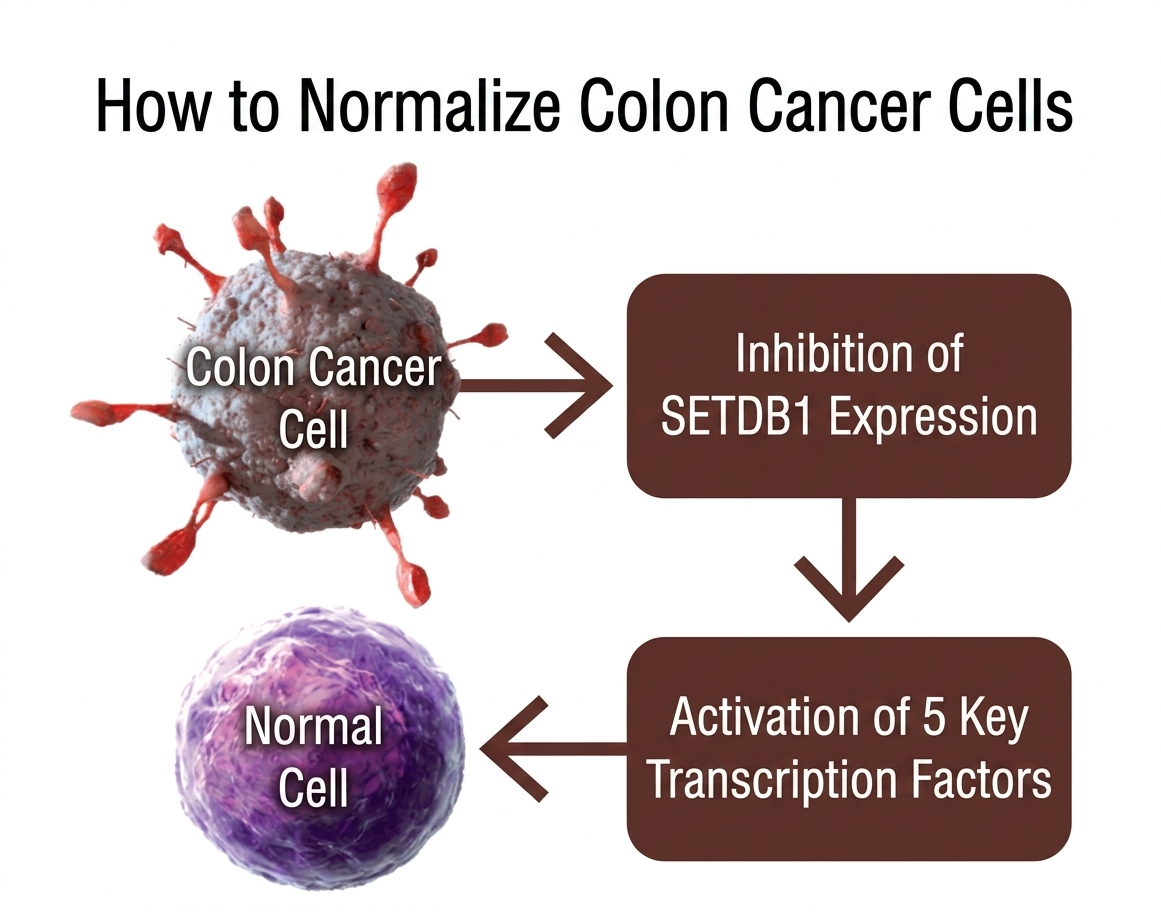
2020 KAIST Study – Normalization of Colon Cancer Cells
Professor Kwang-Hyun Cho’s research team at KAIST published findings demonstrating the possibility of reverting colon cancer cells toward a normal cellular state.
This study is regarded as an important example suggesting that cancer cells may potentially be normalized through regulation of cellular network systems.
Five Core Strategies of Cancer Regenerative Therapy
1. Cellular Microenvironment Strategy
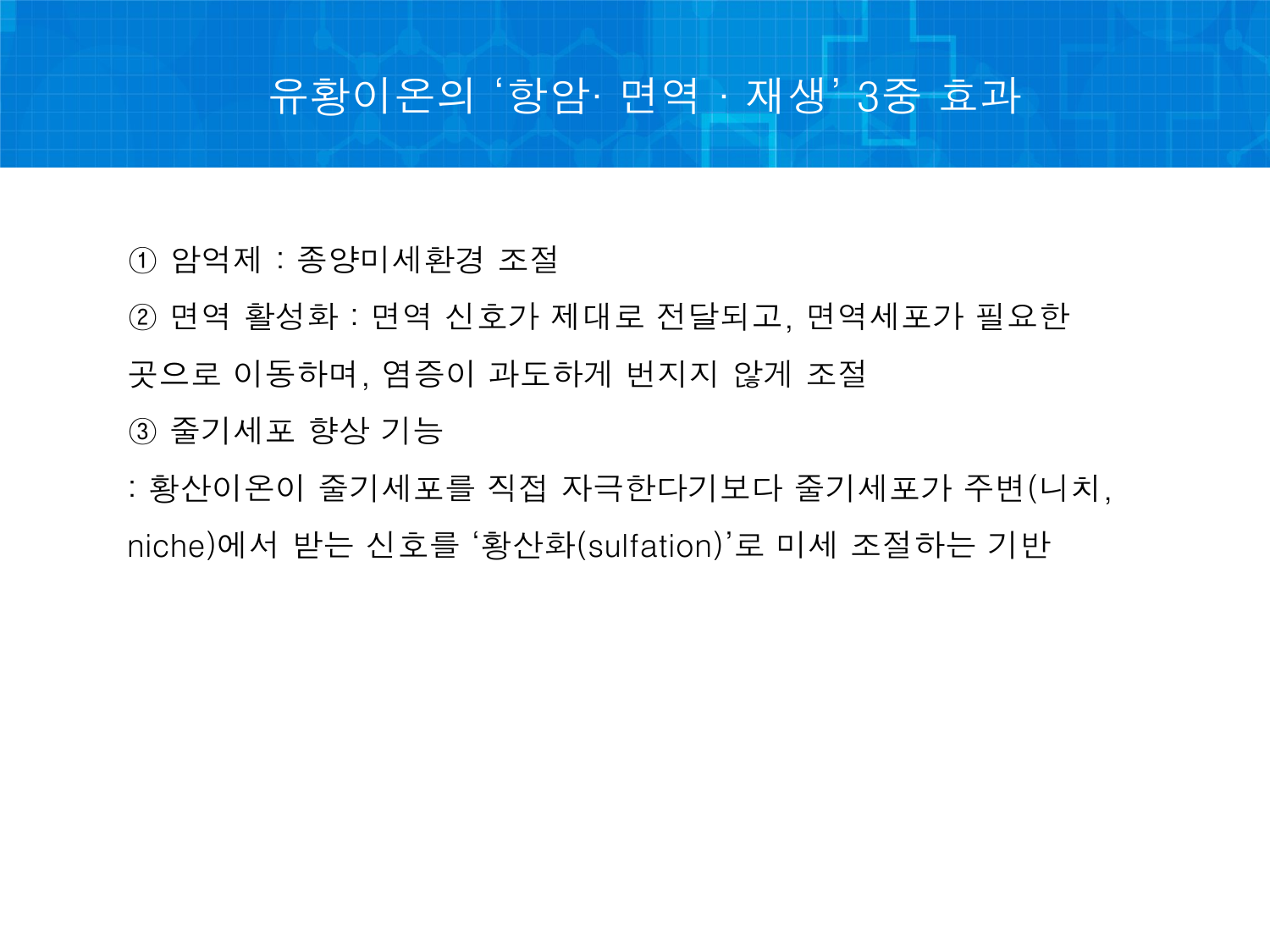
This strategy focuses on optimizing the environment surrounding cancer cells to create conditions favorable for cellular recovery and regeneration.
• Antioxidant Management
Reduction of oxidative stress and support for a protective cellular environment.
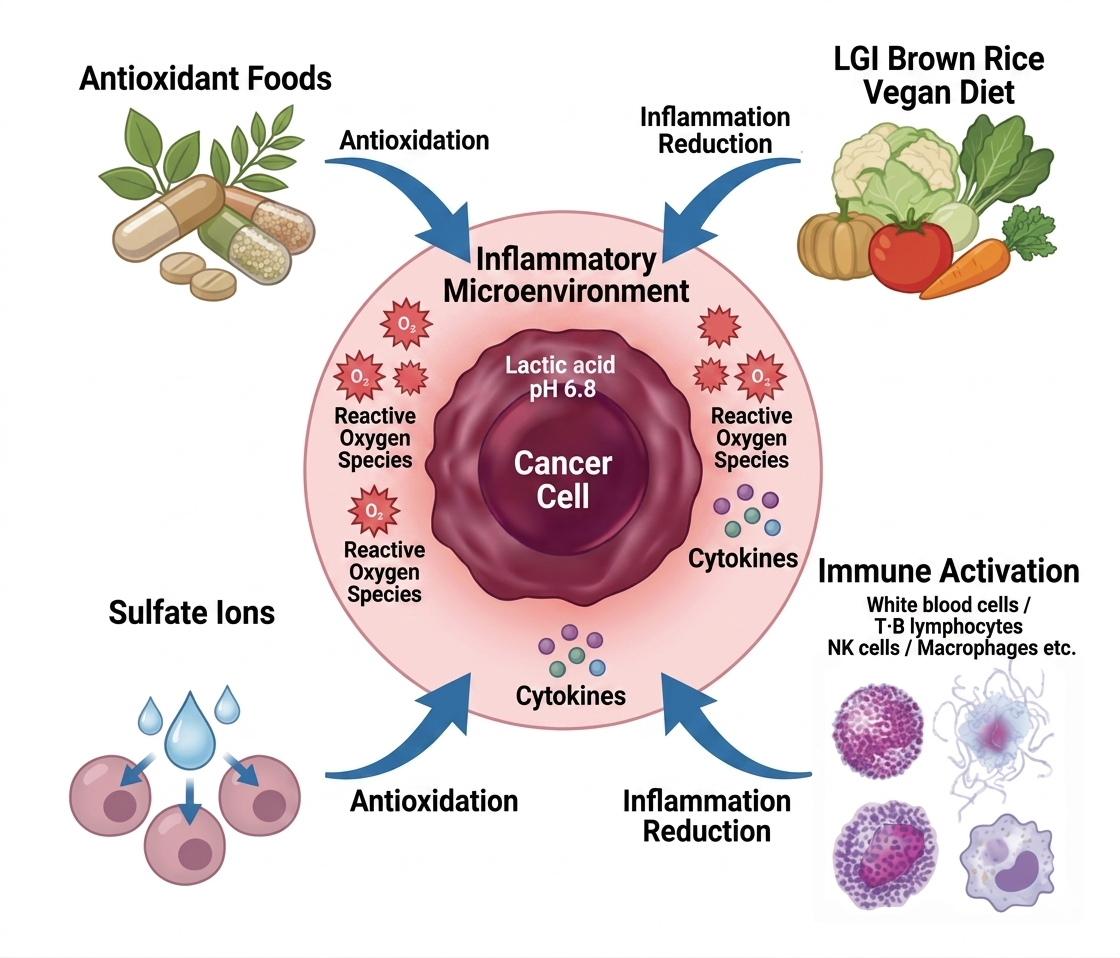
• Detoxification & Heavy Metal Management
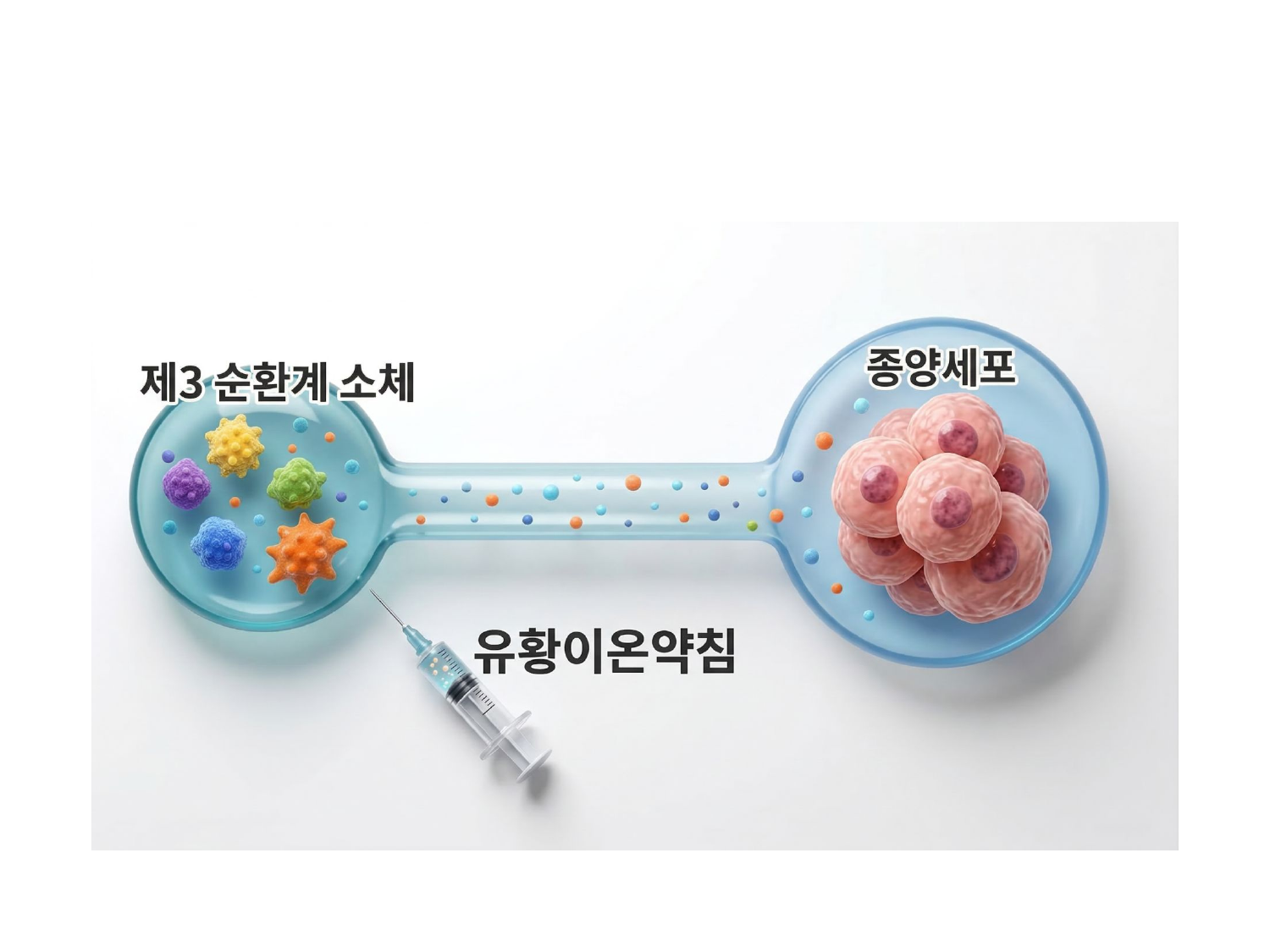
Utilizing approaches based on organic sulfur compounds and sulfate ions to help improve the body’s toxic environment and support circulatory recovery.
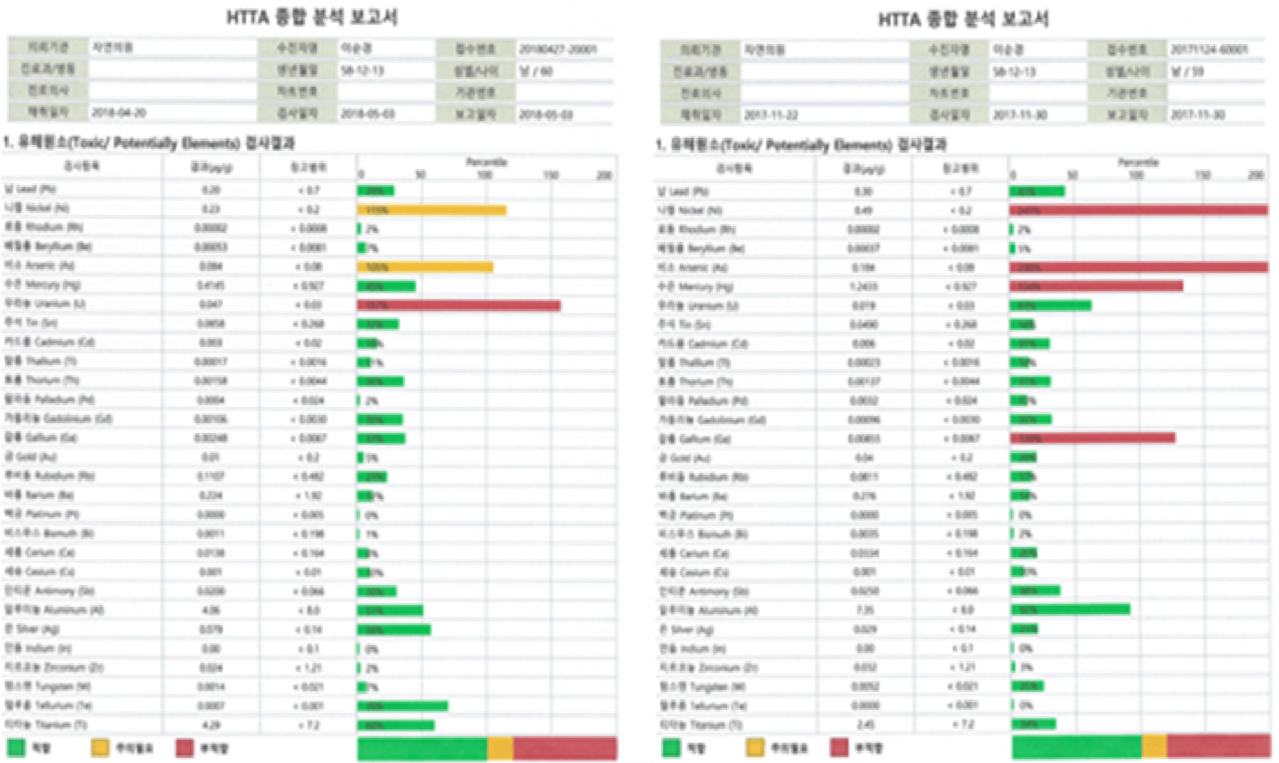
Chelating Agents: Organic Sulfur & Sulfate Ions
- · Nickel: 0.49 μg/g → 0.23 μg/g
- · Arsenic: 0.18 μg/g → 0.08 μg/g
- · Mercury: 1.24 μg/g → 0.41 μg/g
2. Cancer Metabolism Strategy
This strategy aims to regulate abnormal energy metabolism in cancer cells while supporting restoration of the energy systems of normal cells.
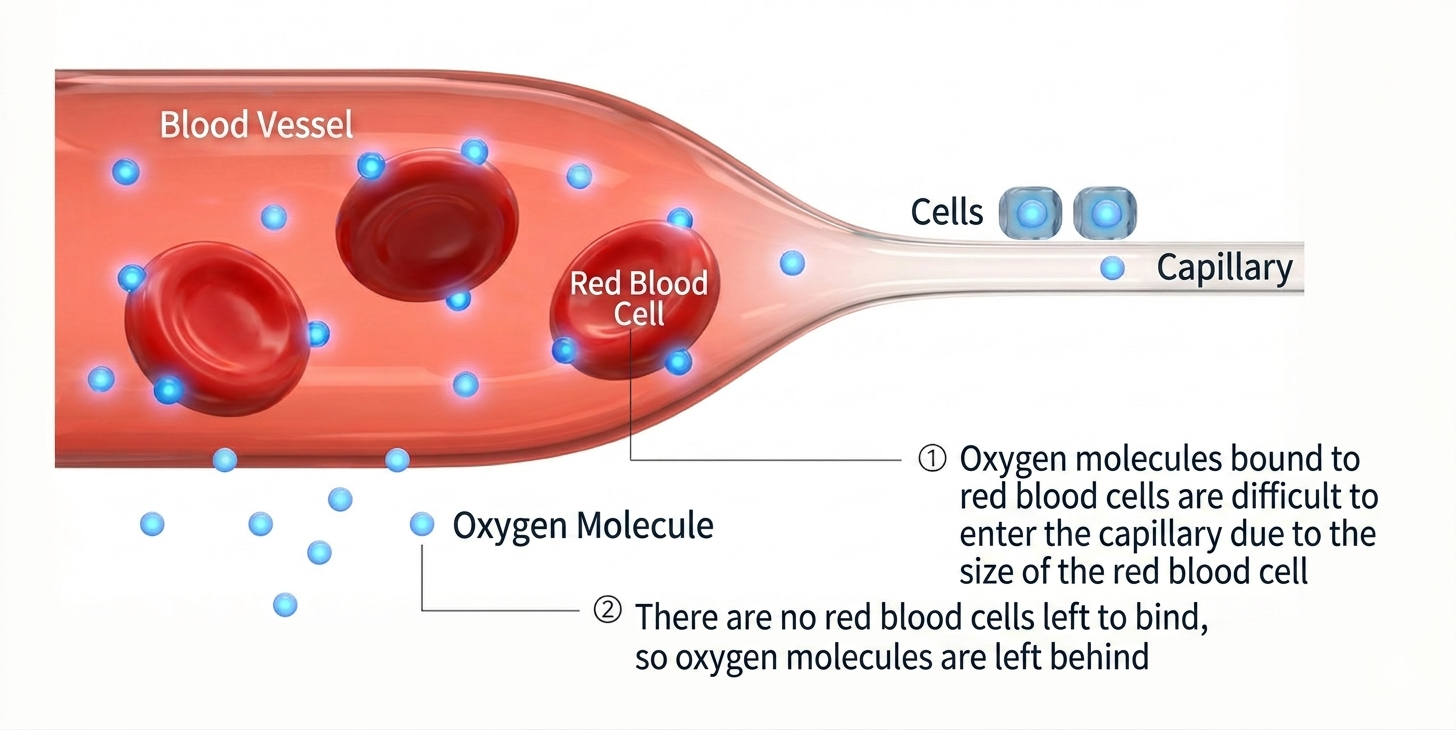
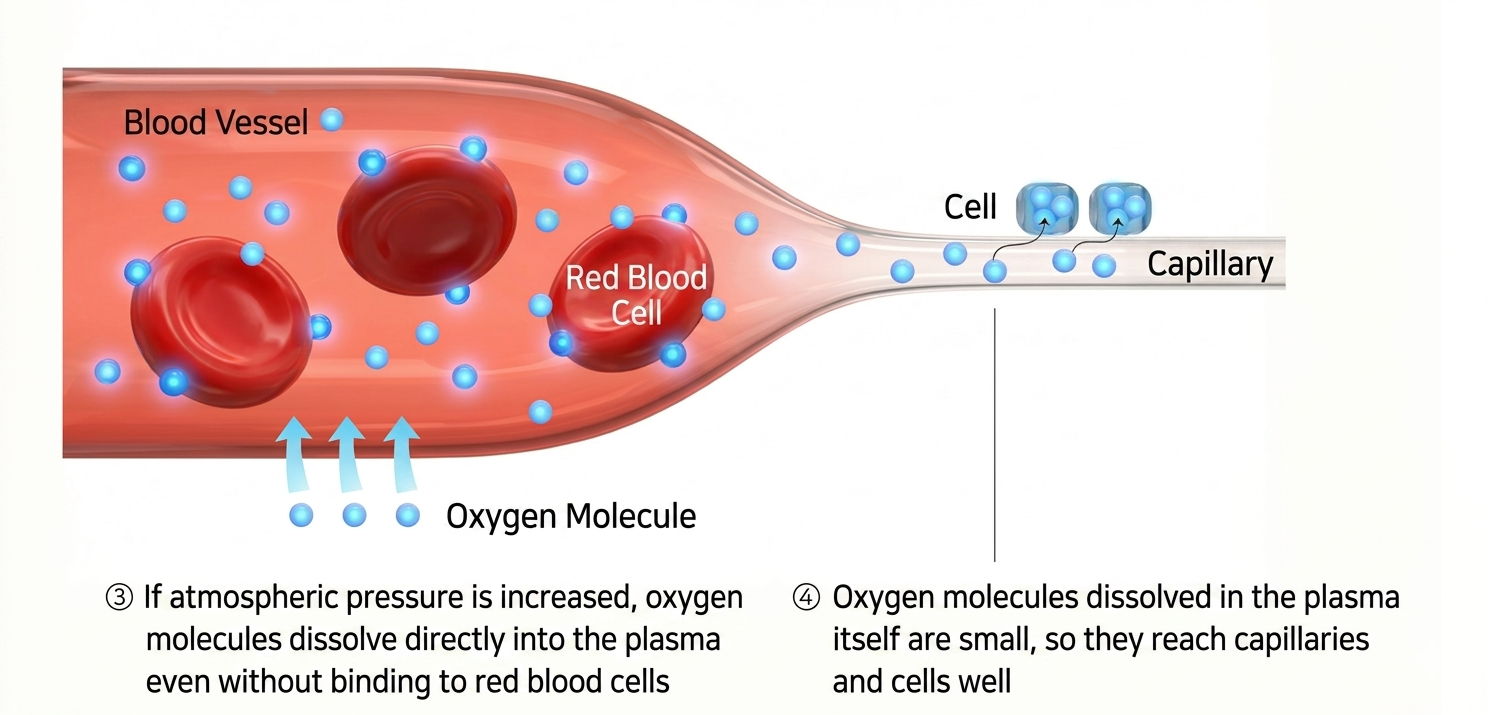
• Hyperbaric Oxygen Therapy (HBOT)
By increasing oxygen supply under hyperbaric conditions, this therapy helps improve tissue oxygen circulation and the cellular metabolic environment.
- - Blood vessel condition under normal atmospheric pressure (1 atm)
-
- - Inside a hyperbaric oxygen chamber at 2–3 atm
-
Effects & Applicable Conditions

• Amino Acid & Mineral Nutritional Support
Essential amino acids and minerals required for cellular recovery and metabolic processes are supplied to help create a foundation for recovery.
Main Components
- · Spirulina-based nutrients
- · Amino acids derived from bifidus-fermented lentils
- · 16 essential amino acids
- · Complex mineral nutrients
- - 16 Types of Amino Acids
-

- - Minerals
Certificate Numbers: 1608S0116, 117, 118, 119
Issuing Institution: Korea Institute of Science and Technology (KIST)
[Unit: ppm = mg/kg]

• Mitochondrial Regeneration
Mitochondria are the core organelles responsible for cellular energy production.
When mitochondrial function declines, it can lead to increased reactive oxygen species and reduced energy production, ultimately contributing to decreased cellular function.
The Mitochondrial Regeneration Program aims to restore cellular energy efficiency and metabolic balance.

· Cell Membrane Potential Normalization
Aims to stabilize intercellular signaling and energy metabolism by restoring the balance of cell membrane potential.

3. Epigenetic Strategy
An approach based on the influence of environmental factors, nutrition, and plant-derived compounds on the regulation of gene expression.

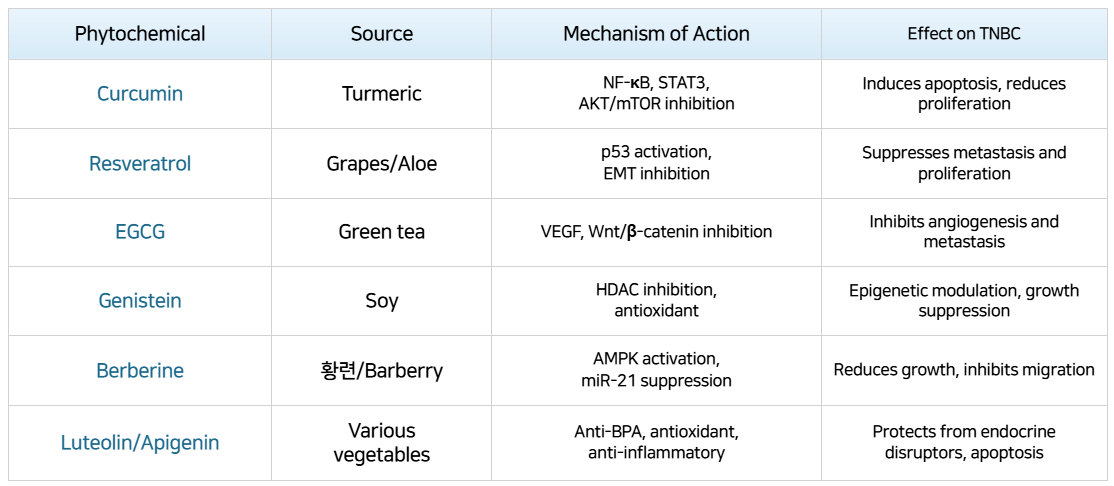
[Natural inhibitors of Cancer Stem Cells]

• Phytochemical-Based Research
Plant-derived bioactive compounds (phytochemicals) are being actively studied in relation to inflammation, cellular growth, and cellular signaling pathways.
In particular, numerous studies have been published regarding cancers with limited therapeutic targets, such as Triple-Negative Breast Cancer (TNBC).
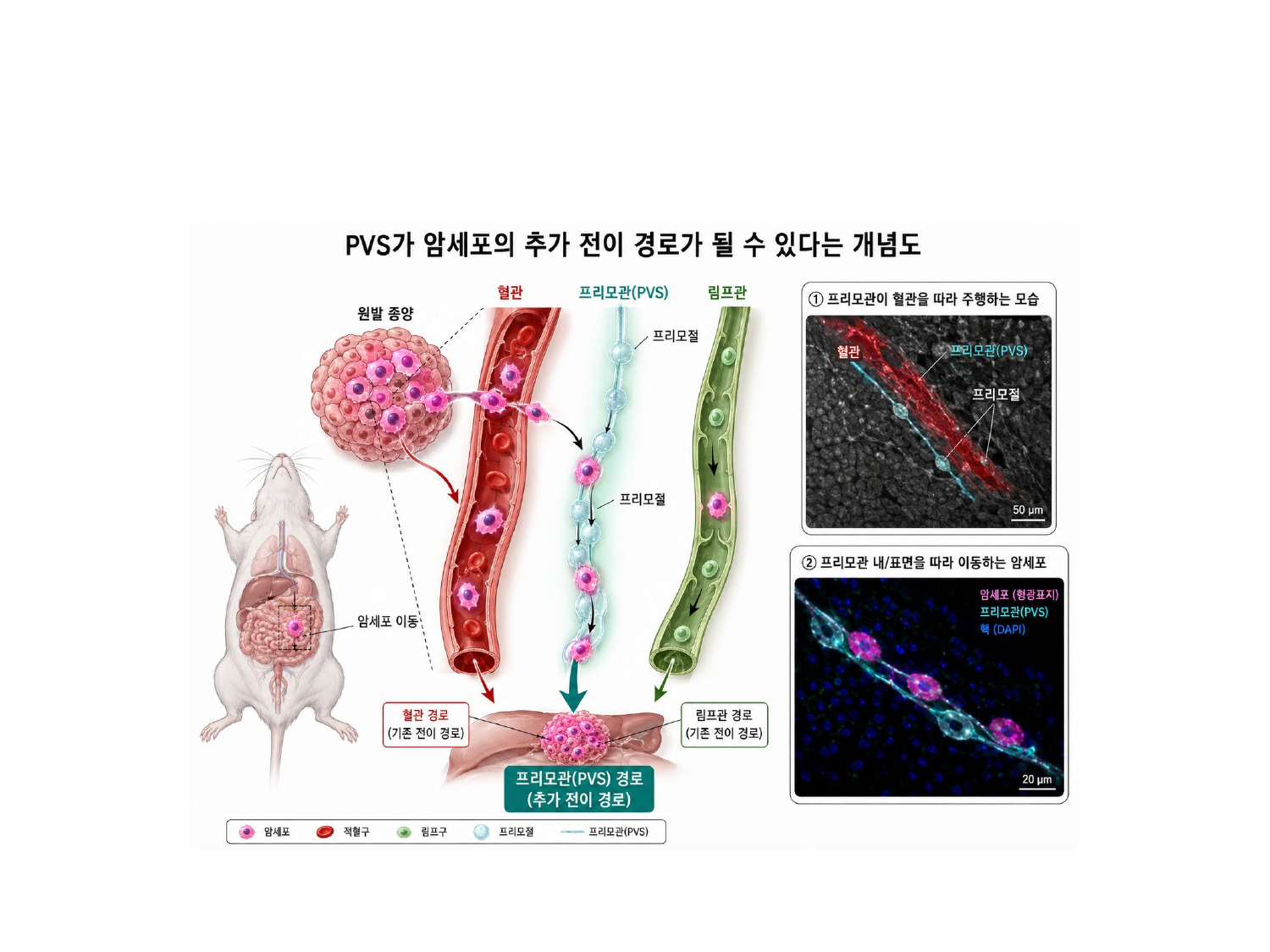
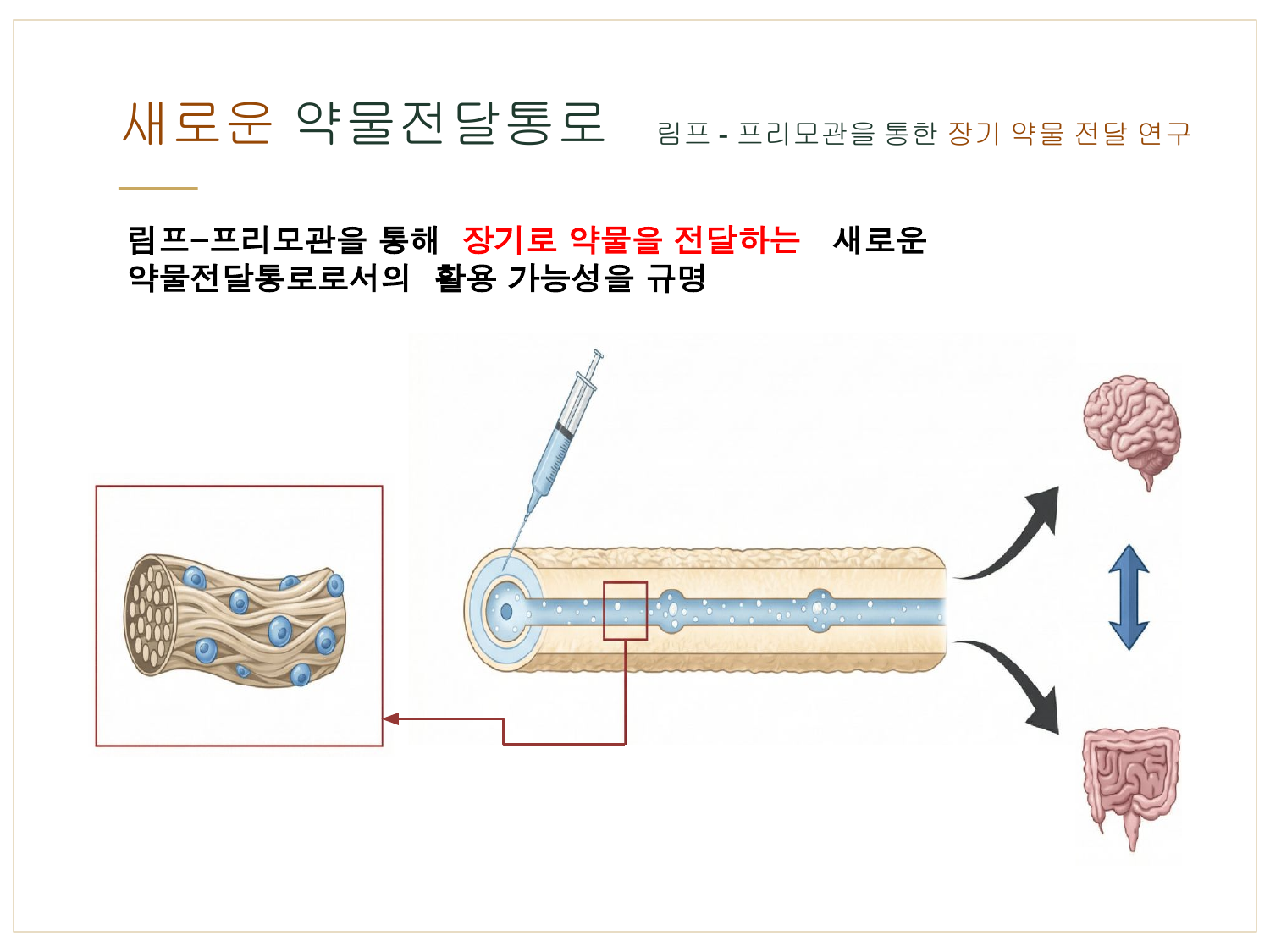
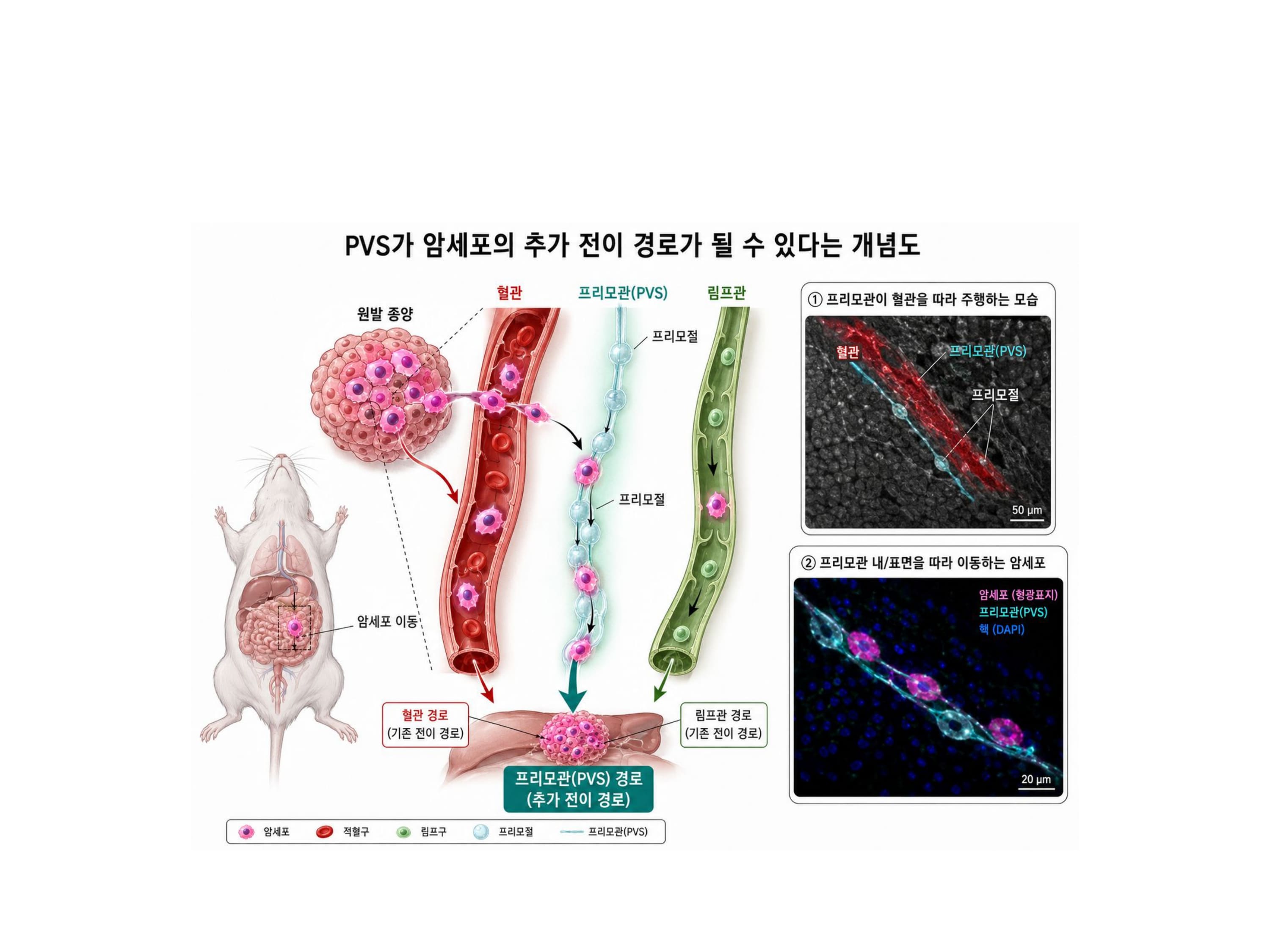
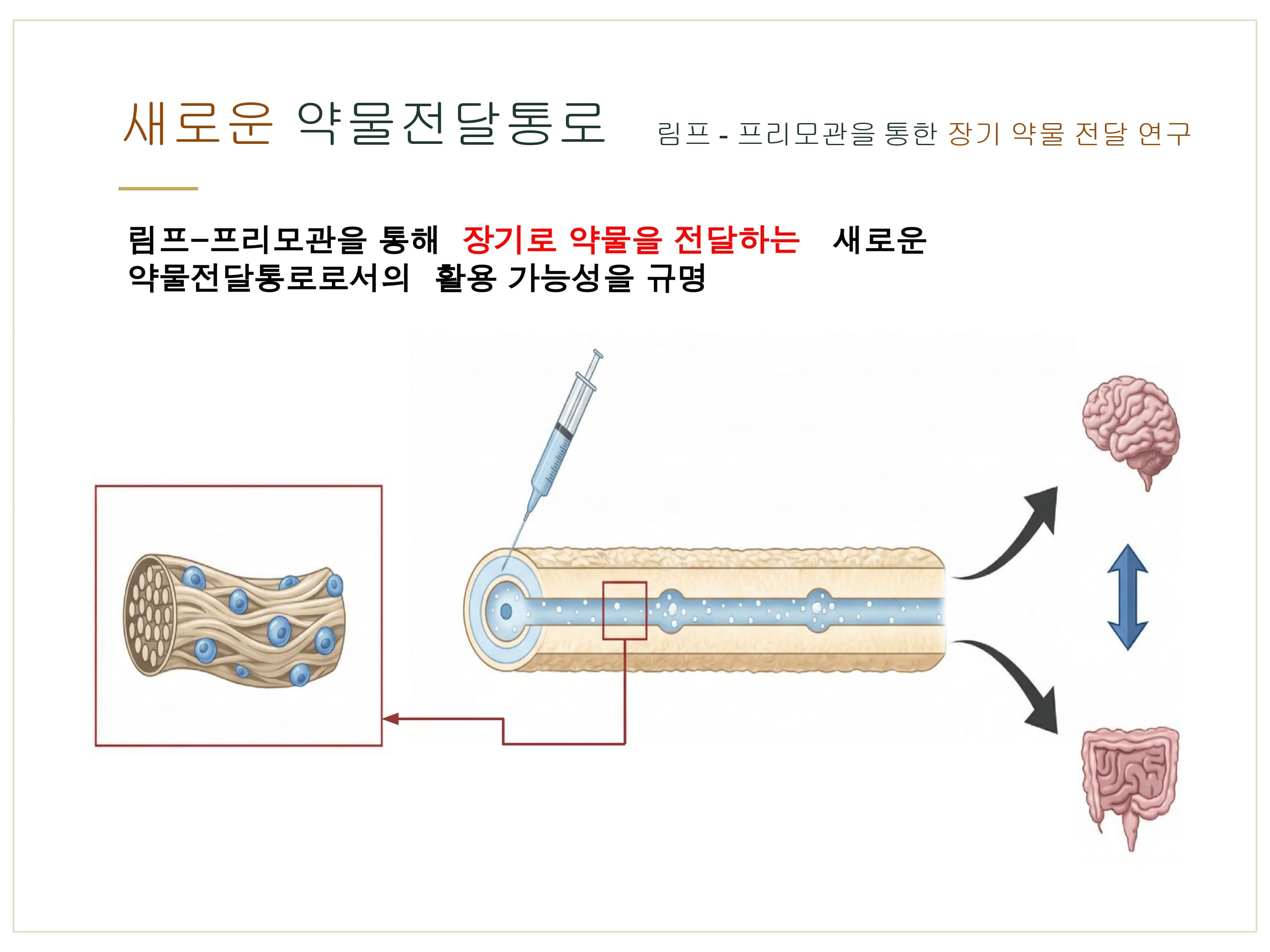
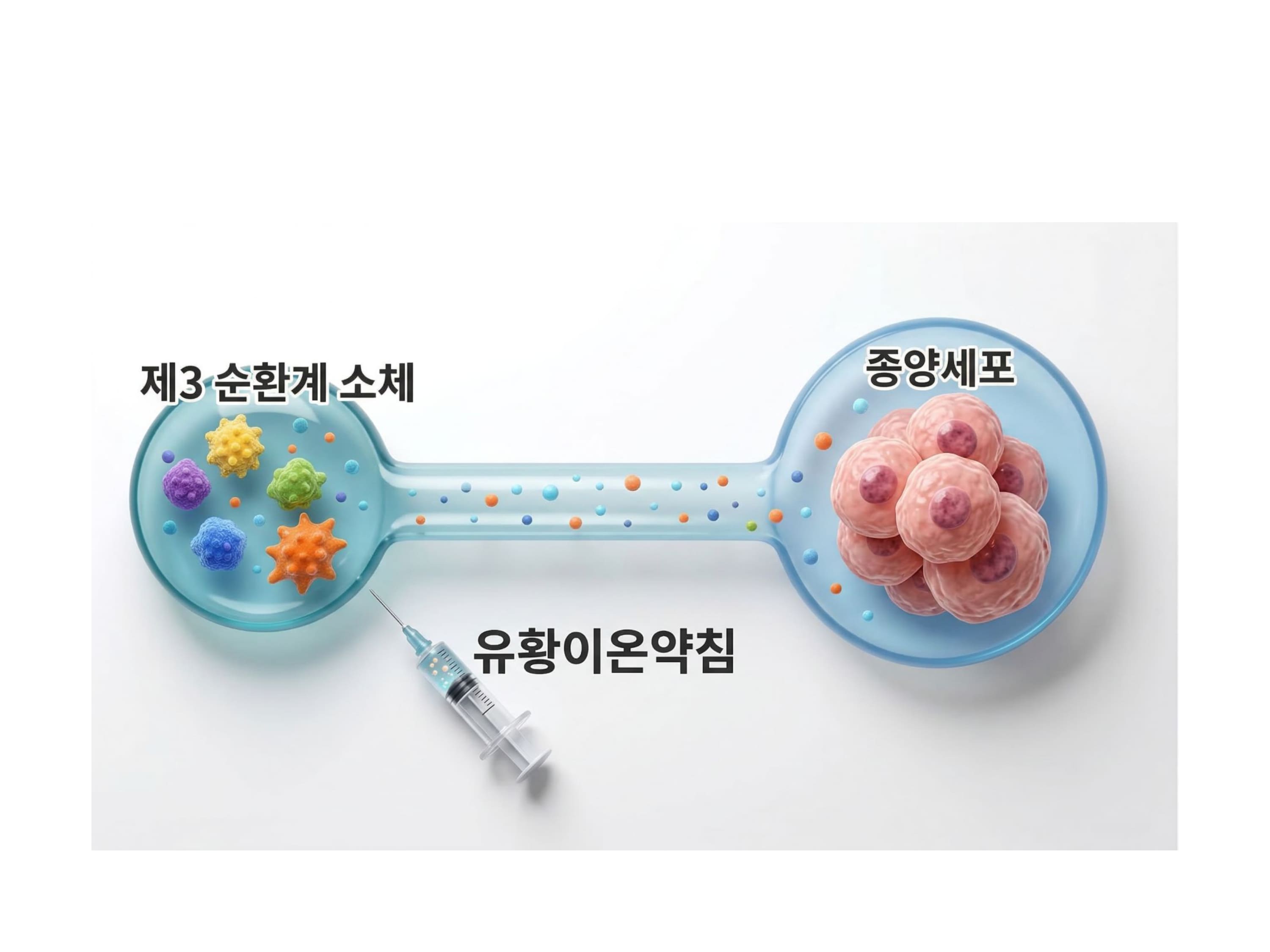
4. Primo Vascular System Strategy
This strategy focuses on the interconnection between circulatory, nervous, immune, and endocrine systems, as well as the flow of bioenergetic signaling within the body.


• Primo Photon Therapy
A program utilizing light and circulatory stimulation to help support the body’s recovery environment and restore systemic balance.
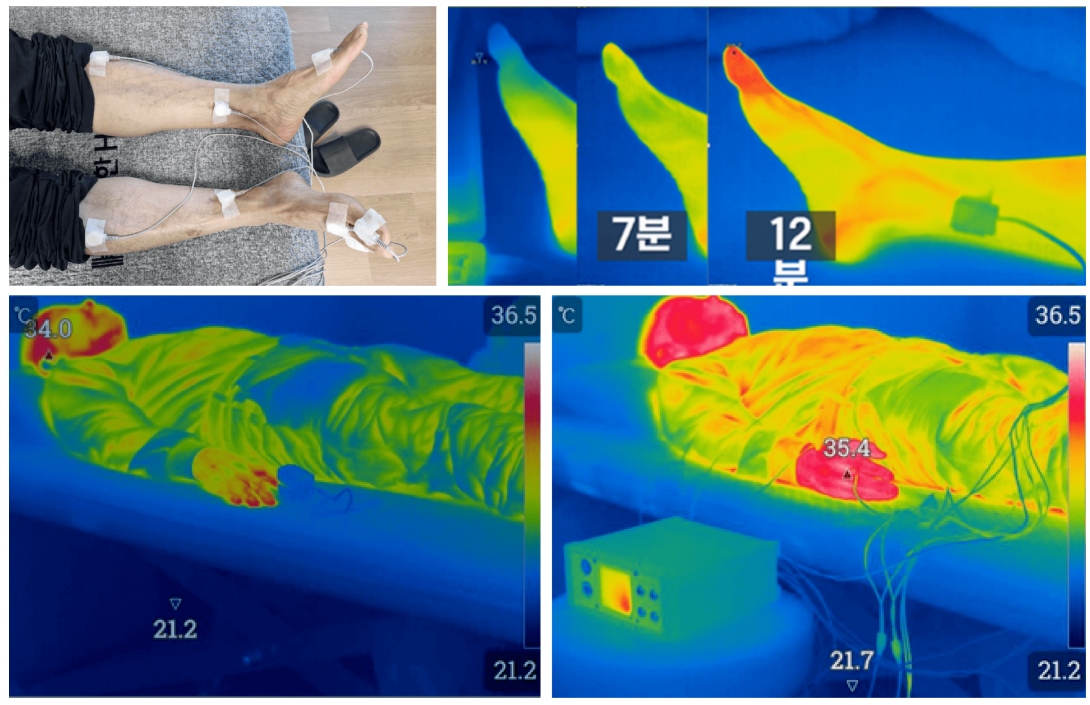
• Twelve Meridians & Eight Extraordinary Vessels
This approach integrates the meridian concepts of Eastern medicine with modern interpretations of autonomic nervous, immune, and endocrine network systems.

5. Mind–Neuro Strategy
Chronic stress and persistent tension may affect the balance of the autonomic nervous system, immune system, and circulatory system.
Breathing and meditation-based approaches may help restore stability to both body and mind while supporting a healthy recovery environment.
Mind as a Cause of Physical Illness
Coherence of the mind → coherence of the body’s energetic field → health
Disturbance of the mind → disturbance of the body’s energetic field → disease

• Breathing Recovery Program
Recovery may begin with changing the way we breathe.
Breathing Guide
- Sit or lie down comfortably.
- Slowly inhale through the nose for 4 seconds.
- Pause for 1–2 seconds.
- Slowly exhale for 6–8 seconds.
- Repeat this cycle 10 times.
• Meditation & Relaxation Program
1. Breath Meditation
“A meditation focused on your present breath”
- Sit or lie down in a quiet place.
- Close your eyes and slowly breathe in and out through your nose.
- Observe your inhalation, exhalation, and bodily movement.
- When thoughts arise, gently return your attention to your breath without following them.
Just five minutes of conscious breathing each day can naturally help calm the mind.
2. Mindfulness Meditation
“A meditation of observing your emotions and physical state exactly as they are.”
- Notice how you feel right now. Are you tense? Relaxed?
- Observe your body. Are your shoulders stiff? Is your chest tight?
- Without judging or analyzing, simply acknowledge what you feel.
Through awareness alone, the body and mind can gradually become more stable and relaxed.
연구 자료