
K-Regeneration

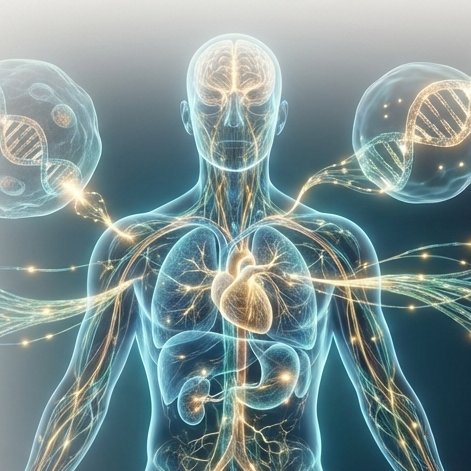
K-Regenerative Medicine is an advanced medical approach focused on restoring cellular function and the cellular environment, enabling the body to heal itself naturally.

explore

Recovery at the Cellular Level

Unlike conventional medicine, which primarily targets symptoms or damaged organs, this approach emphasizes recovery at the cellular level, the fundamental unit of life.

explore

Intrinsic Healing Capabilities

By improving oxygen supply, nutrient delivery, and cellular balance, K-Regenerative Medicine aims to activate the body’s intrinsic healing capabilities.


explore

Features of Regeneration

"K-Regenerative Medicine is built upon three core pillars that focus on restoring cellular function, activating regeneration, and optimizing the body’s internal environment."

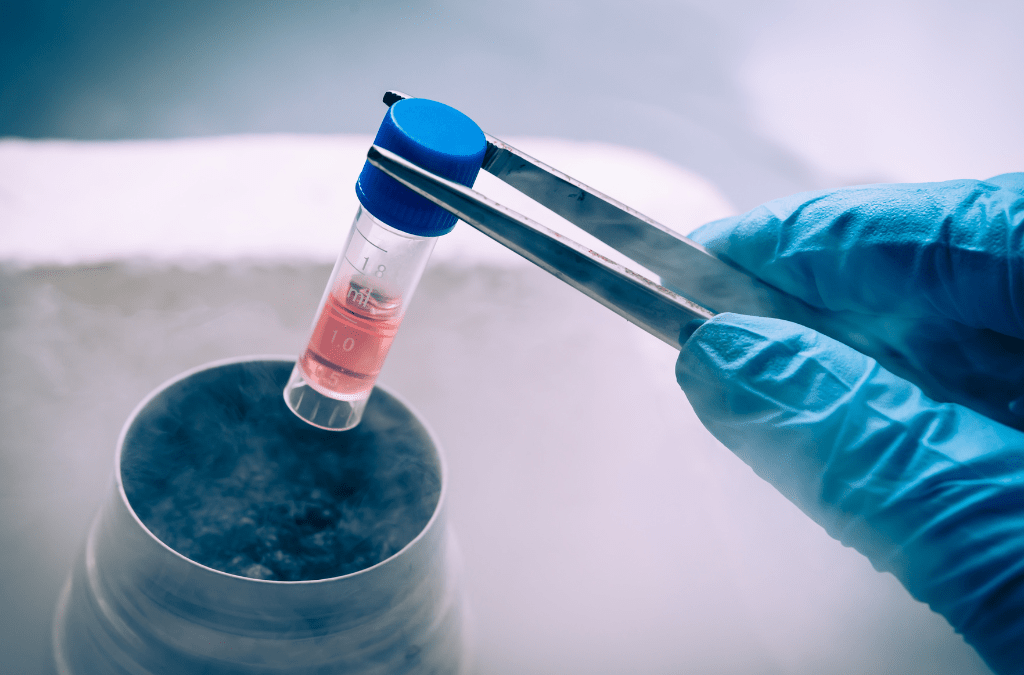
features imageCell Therapy

Cell Therapy focuses on restoring cellular function by improving the internal environment rather than replacing cells. This approach enhances oxygen supply, nutrient delivery, and cellular energy production to support natural recovery.

features imageEpigenetic Therapy

Environmental factors, nutrition, and microbiota influence gene activity, and imbalances can lead to chronic diseases. This approach utilizes natural compounds (phytochemicals) known to regulate key biological pathways related to inflammation, cell growth, and regeneration.

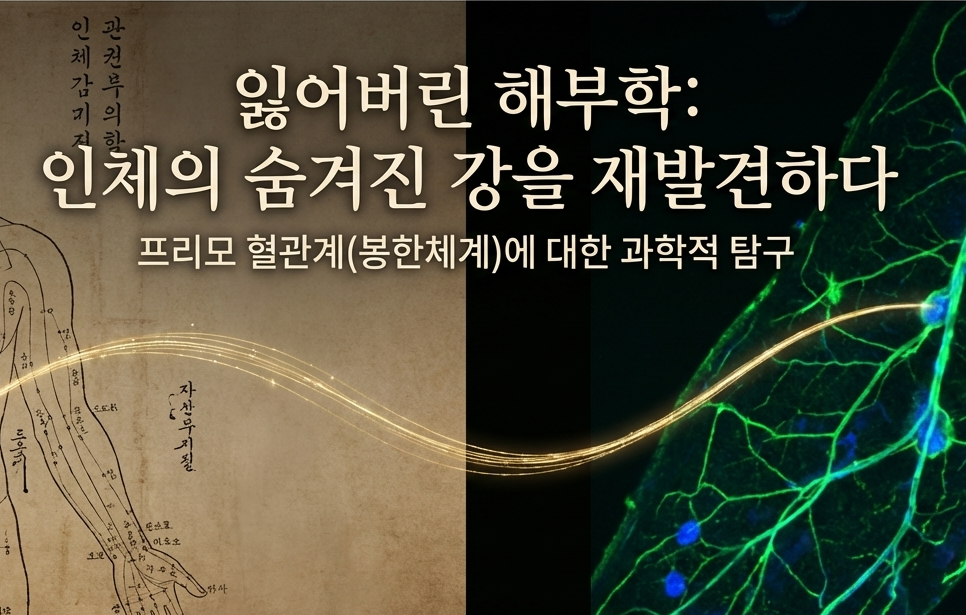
features imagePrimo Therapy

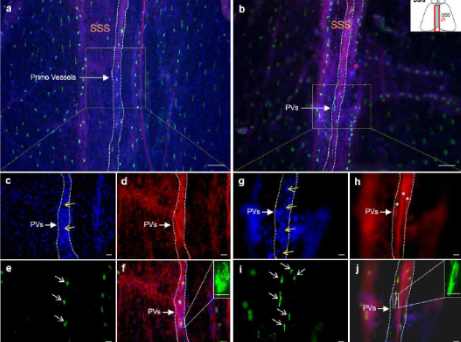
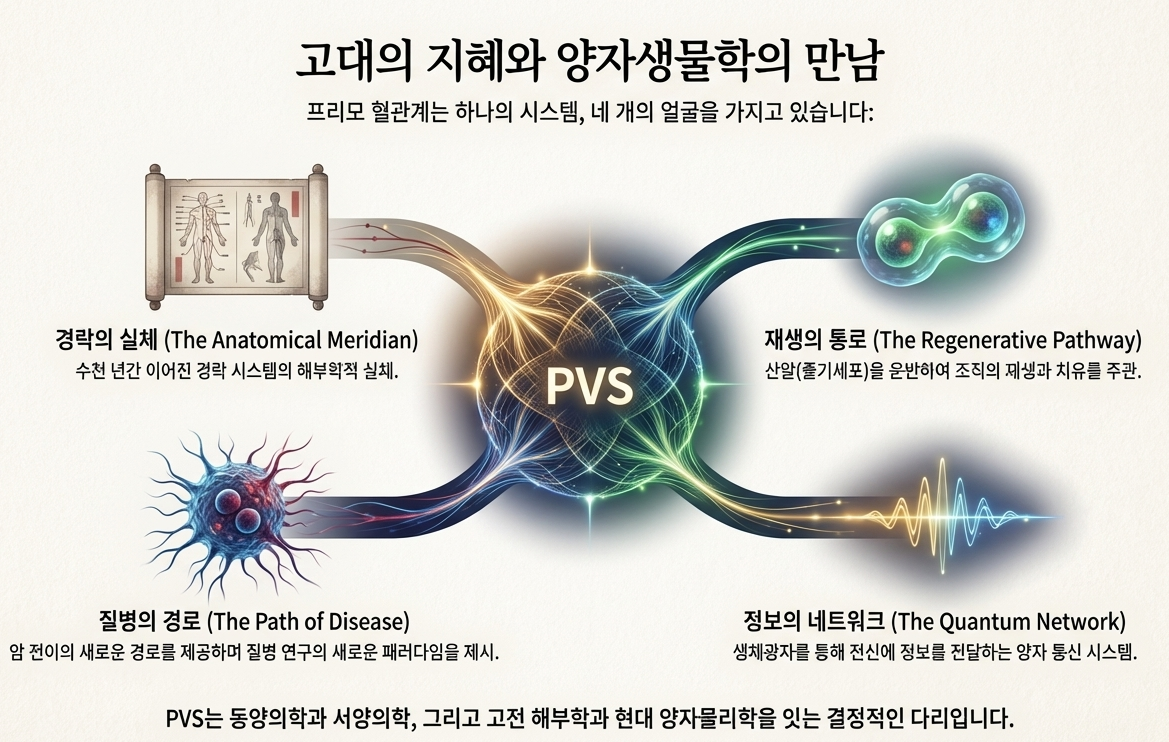
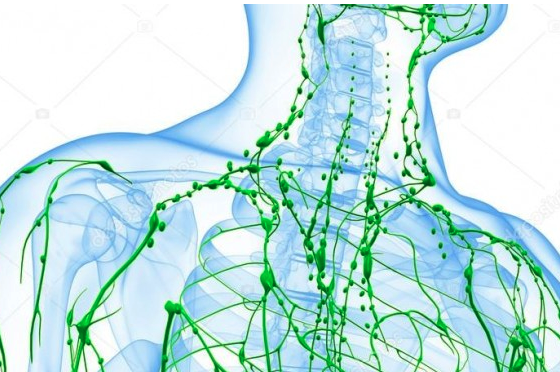
This approach is based on the concept of a third circulatory system that supports tissue repair and stem cell activation. Scientific studies suggest that sulfate-related compounds play an important role in stem cell growth, differentiation, and tissue regeneration.

features imageComprehensive Approach

These pillars work together to create a comprehensive approach that supports natural healing and long-term health. Rather than targeting isolated symptoms, this system enhances the body’s ability to recover at the cellular level.

service-image

Regeneration begins with supply

Damaged cells cannot initiate recovery in an environment lacking sufficient oxygen and nutrients.

When blood flow is restricted and oxygen delivery is compromised, regeneration slows and tissues progressively lose function.

The foundation of regeneration is the restoration of circulation.
  • Enhance oxygen delivery through improved blood circulation.
  • Support mitochondrial energy production with adequate oxygen supply.
  • Provide cellular nutrition optimized for absorption and bioavailability.
service-image

Mitochondria and Cell Membrane Regeneration

Cells can only function again when energy is restored.

Most cellular dysfunction begins with the breakdown of energy production systems.

When mitochondria are damaged, ATP production declines; when the cell membrane becomes unstable, signaling and material exchange are disrupted.

Regeneration begins with the recovery of energy and structure.
  • Restore mitochondrial function and promote ATP production.
  • Stabilize cell membranes and maintain bioelectrical balance.
  • Reduce oxidative stress and protect cellular integrity.
service-image

Stem Cell Activation

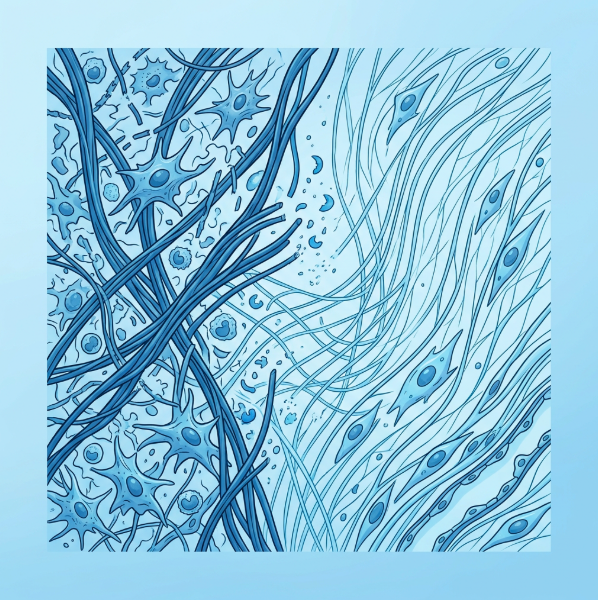
Damaged tissues cannot fully recover their original function through simple repair alone.

True regeneration requires the activation of stem cells and proper cellular differentiation.

Regeneration is the process of creating new cells
True recovery is a process of rebuilding anew
  • Create a microenvironment that supports stem cell activation.
  • Promote cell differentiation and tissue regeneration.
  • Enhance intercellular signaling systems.
service-image

Inhibition of Fibrosis

Recovery should not end in scarring. After tissue injury, healing may progress toward fibrosis rather than true regeneration.

While fibrosis fills structural gaps, it fails to restore function and can ultimately lead to long-term functional decline.

True recovery restores function—not just structure.

  • Regulate chronic inflammation and establish an anti-inflammatory environment.
  • Inhibit excessive collagen accumulation and fibrosis
  • Preserve normal tissue structure and function.
service-image

Breathing and Meditation

Recovery begins with state.

Chronic stress and prolonged tension are key factors that hinder cellular recovery.

Imbalance in the autonomic nervous system affects circulation, immunity, and metabolic function.

Healing begins with a balanced nervous system.

  • Restore autonomic balance through breathing techniques.
  • Improve circulation by reducing physical and mental tension.
  • Create a stable physiological environment for cellular recovery.

Three Pillars

"K-Regenerative Medicine is built upon three core pillars that focus on restoring cellular function, activating regeneration, and optimizing the body’s internal environment." These pillars work together to create a comprehensive approach that supports natural healing and long-term health. Rather than targeting isolated symptoms, this system enhances the body’s ability to recover at the cellular level.

Restore cellular function by improving the internal environment rather than replacing cells.
Cell Therapy

This approach enhances oxygen supply, nutrient delivery, and cellular energy production to support natural recovery.

Utilize natural compounds to regulate key biological pathways related to cell growth, and regeneration.
Epigenetic Therapy

These compounds help reset abnormal cellular signals and support long-term health.

Activate body’s internal regenerative pathways by enhancing circulation and cellular communication.
Primo Therapy

Scientific studies suggest that sulfate-related compounds play an important role in stem cell growth and tissue regeneration.

Restore cellular function by improving the internal environment rather than replacing cells.
Cell Therapy

This approach enhances oxygen supply, nutrient delivery, and cellular energy production to support natural recovery.

Utilize natural compounds to regulate key biological pathways related to cell growth, and regeneration.
Epigenetic Therapy

These compounds help reset abnormal cellular signals and support long-term health.

Activate body’s internal regenerative pathways by enhancing circulation and cellular communication.
Primo Therapy

Scientific studies suggest that sulfate-related compounds play an important role in stem cell growth and tissue regeneration.