Liver · Kidney Regenerative Therapy
Liver · Kidney Regenerative Therapy
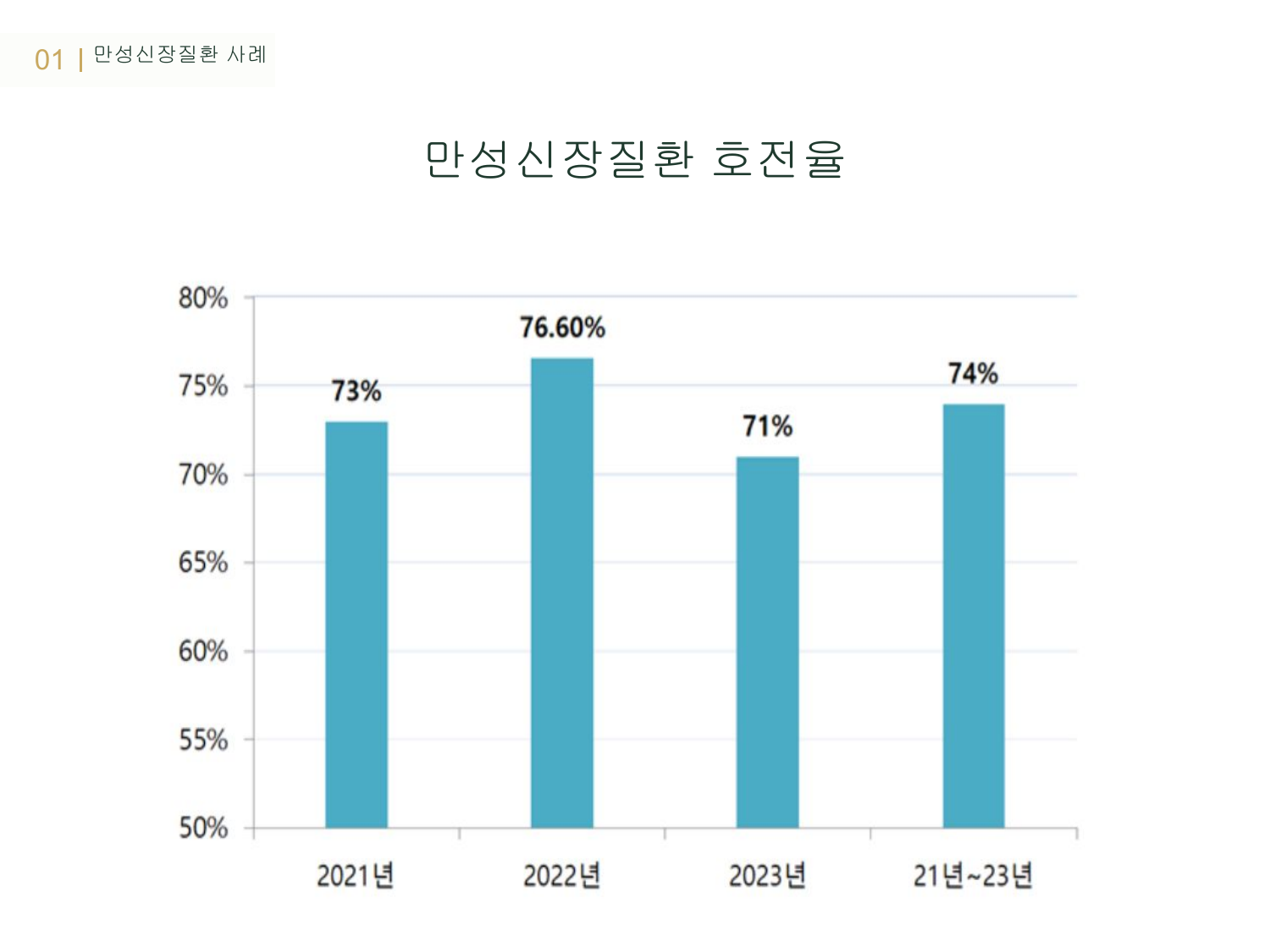
Through an integrative regenerative treatment system based on Eastern and Western medicine, we aim to support the functional recovery of the liver and kidneys and improve the regenerative environment of these organs.
Rather than focusing only on symptom management, this program takes a comprehensive approach that includes fibrosis inhibition, cellular recovery, energy metabolism, circulation, and lifestyle management, with the goal of creating an environment in which the body can support its own recovery.
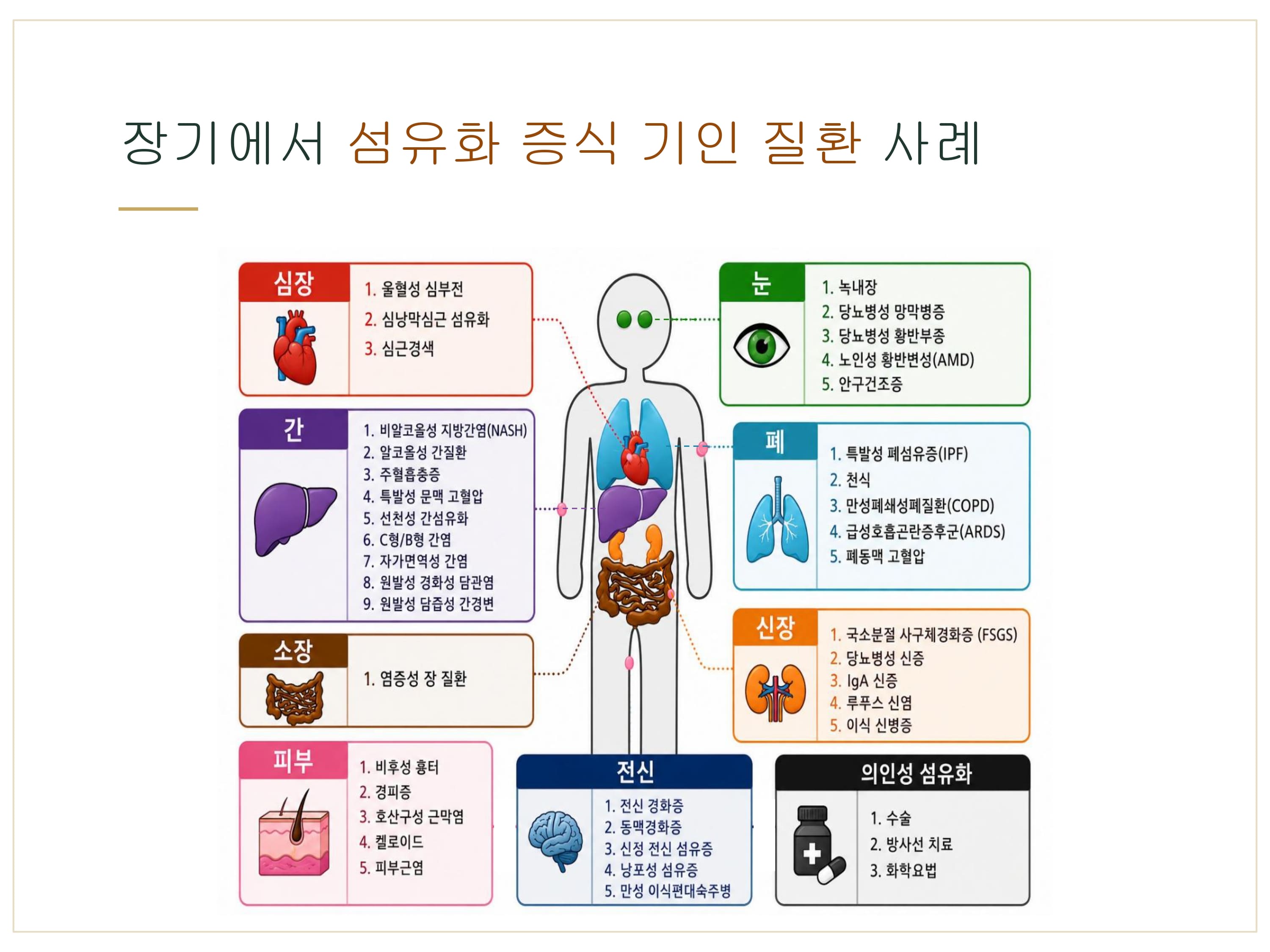
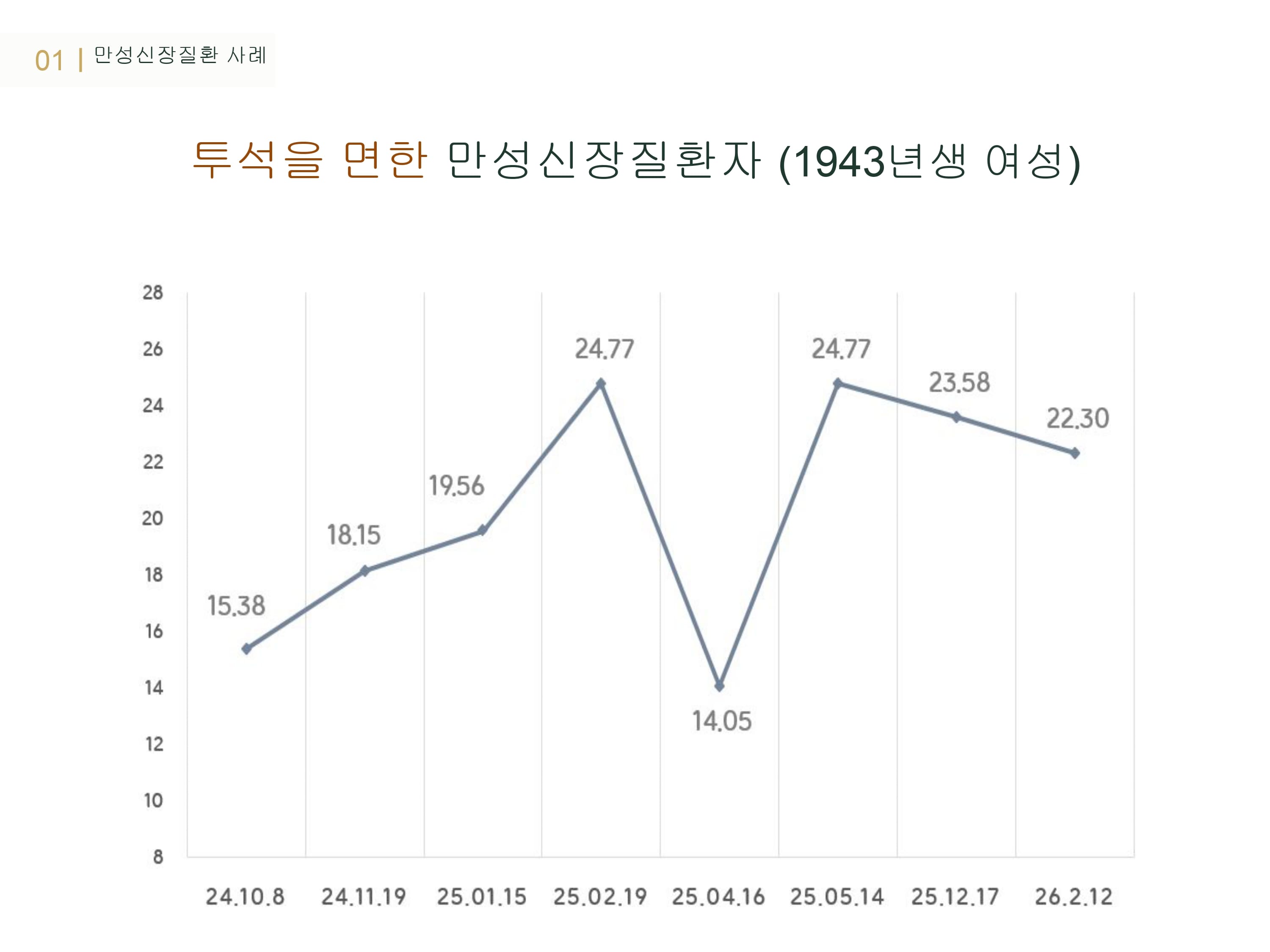
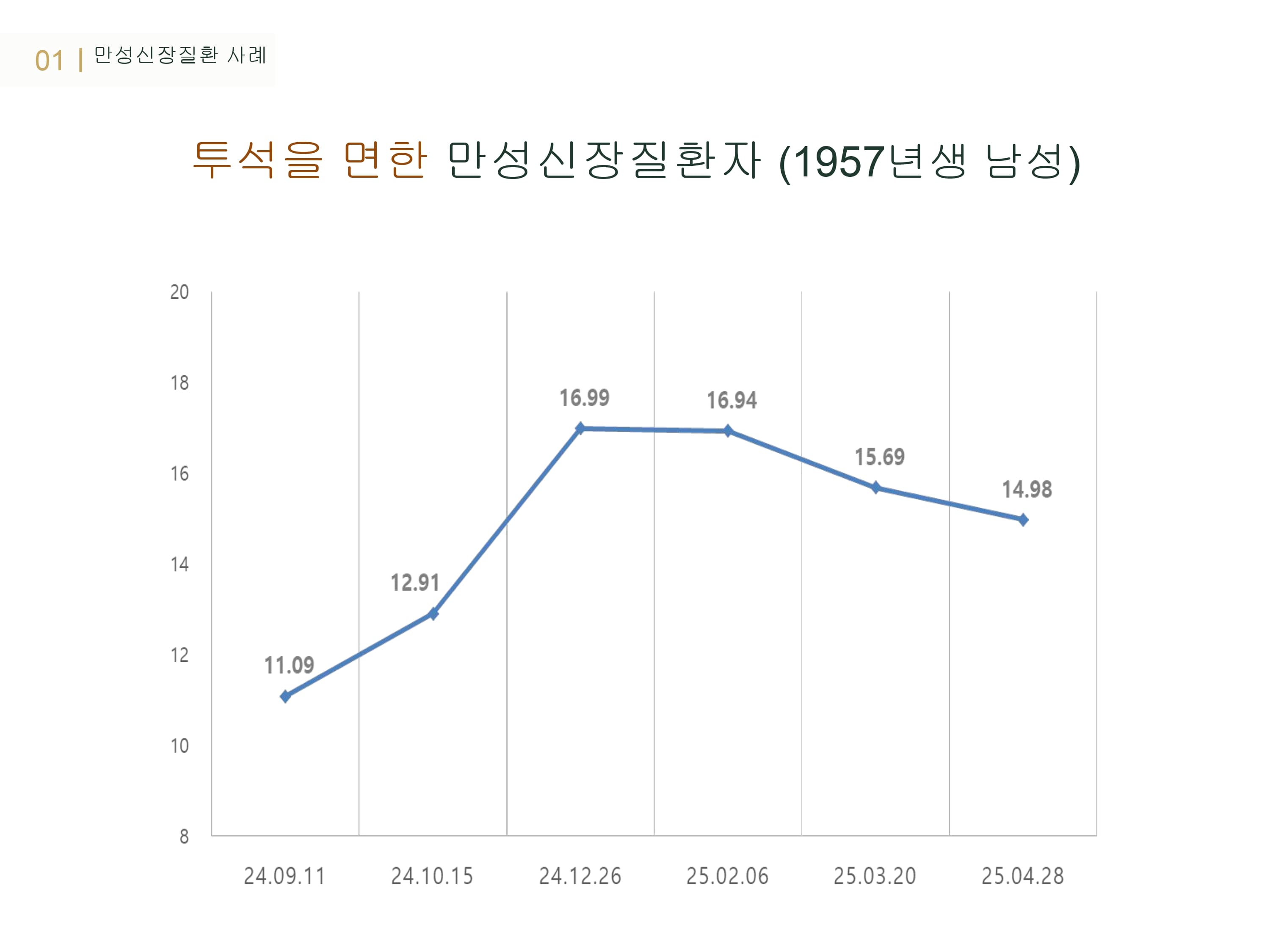
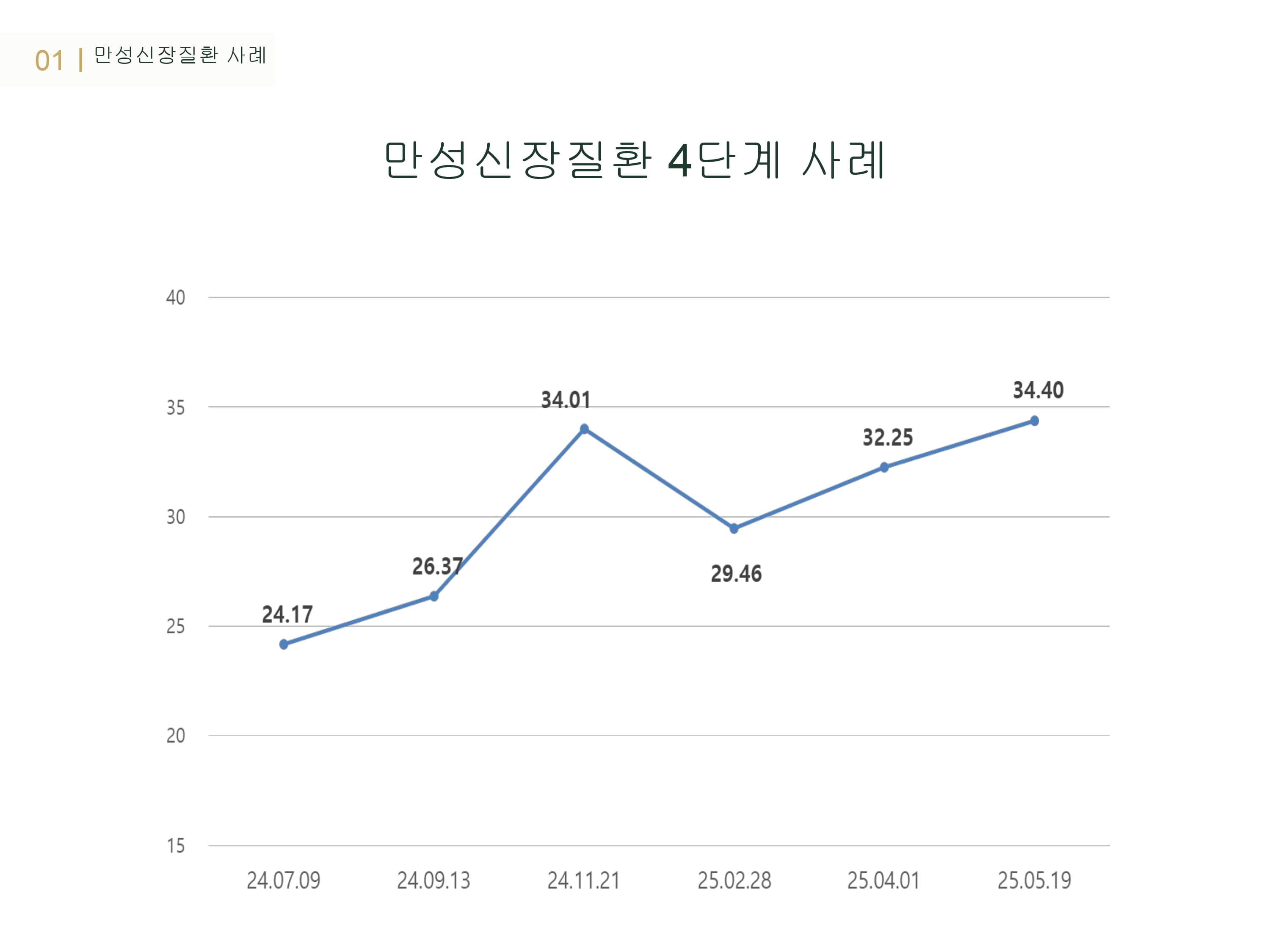
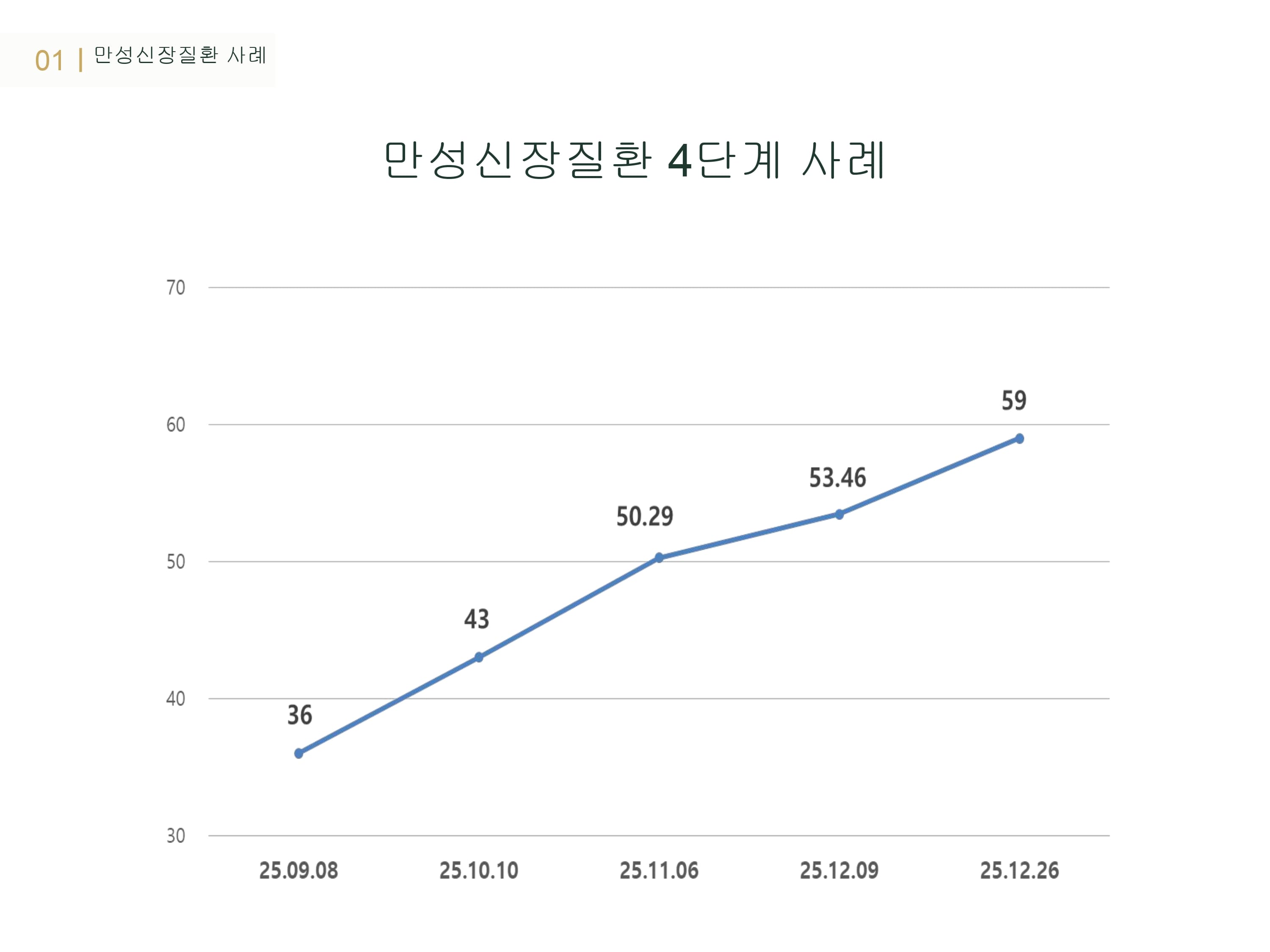
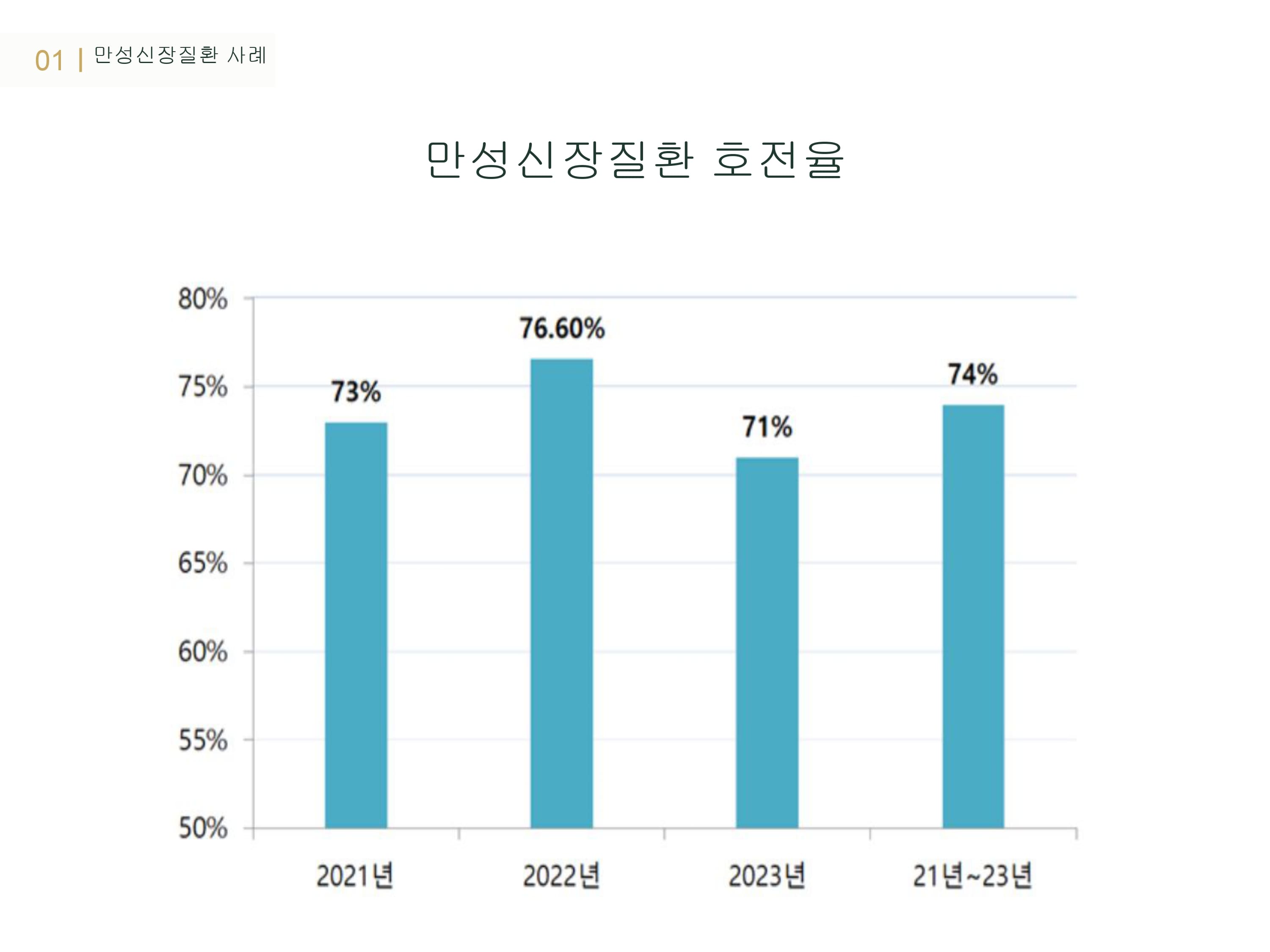

The Liver and Kidneys Can Also Regenerate and Recover
The liver and kidneys are essential organs responsible for detoxification, metabolism, and circulatory balance.
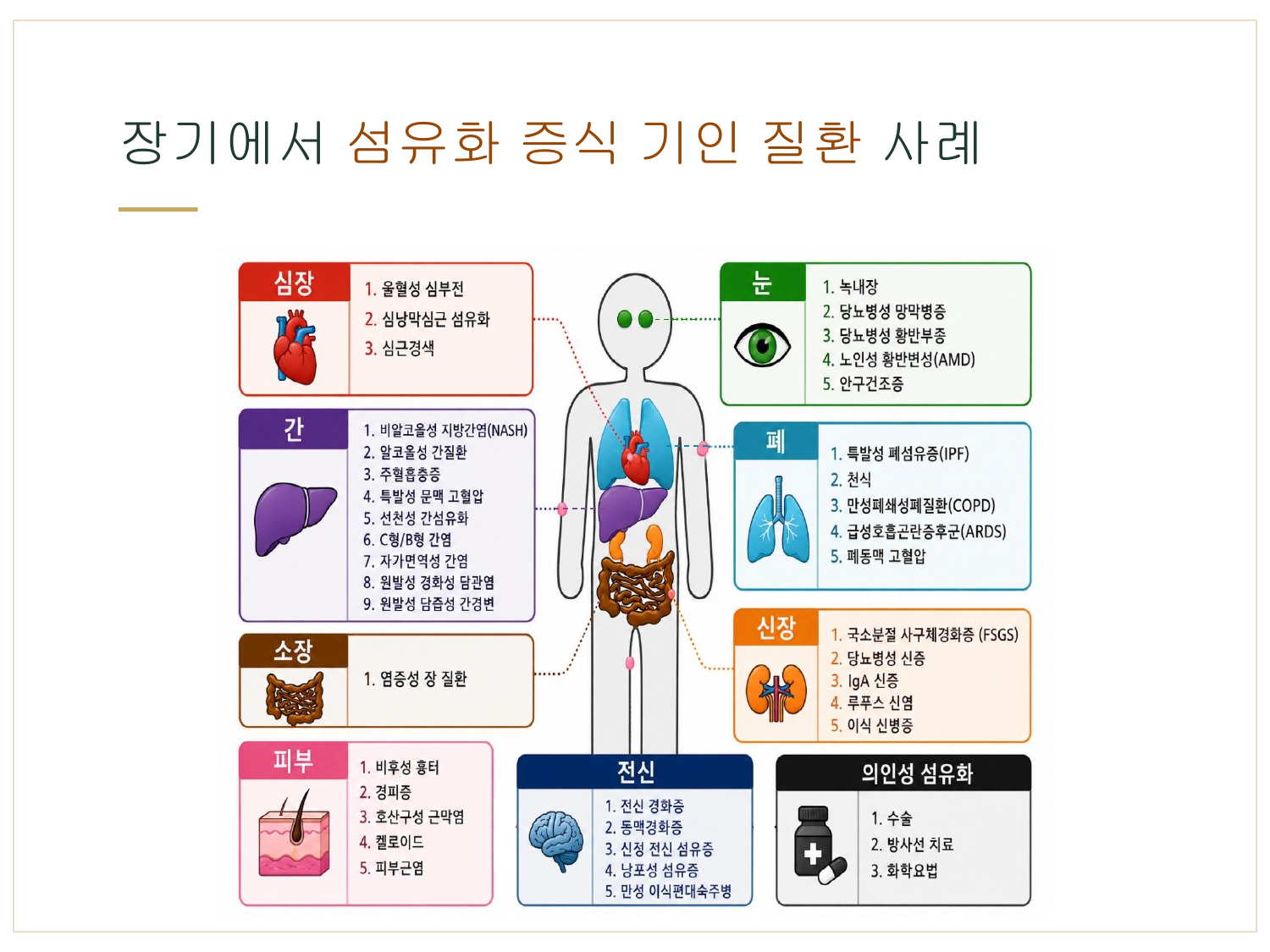
When chronic inflammation, oxidative stress, and metabolic imbalance continue over time, fibrosis may develop, causing tissues to gradually become stiff and leading to a decline in organ function.
Liver · Kidney Regenerative Therapy aims to enhance the possibility of functional recovery by inhibiting fibrosis and creating an environment that supports cellular restoration.
Five Core Roadmaps for Liver · Kidney Regenerative Therapy
1. Anti-Fibrosis Strategy
This approach helps inhibit the progression of fibrosis caused by chronic inflammation and tissue damage, while supporting recovery of the tissue environment.
Organic Sulfur Compound-Based Approach
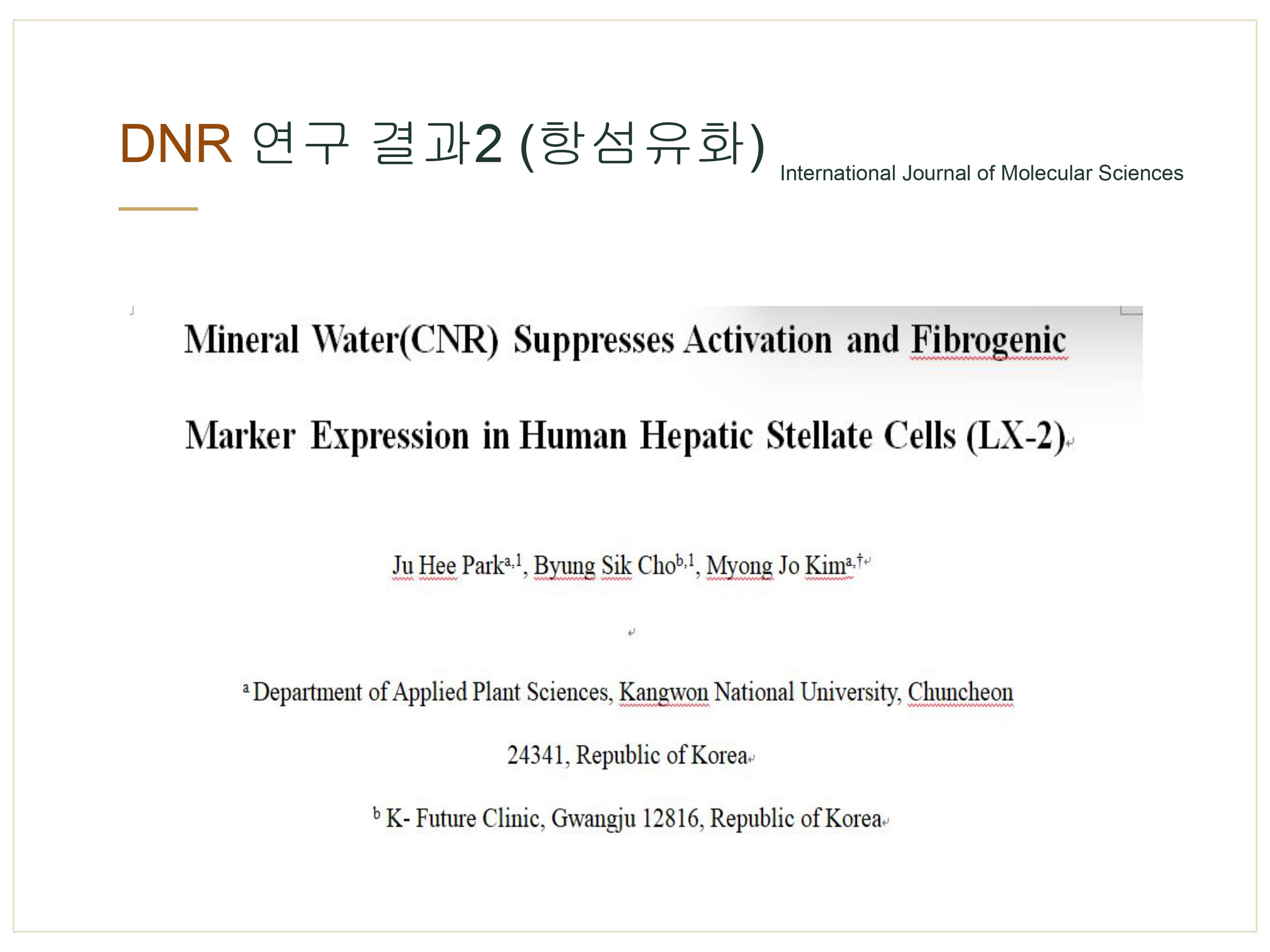
Organic sulfur compounds are actively studied in the fields of antioxidant and anti-inflammatory research, and various studies have reported their potential in inhibiting fibrosis progression and protecting tissue.
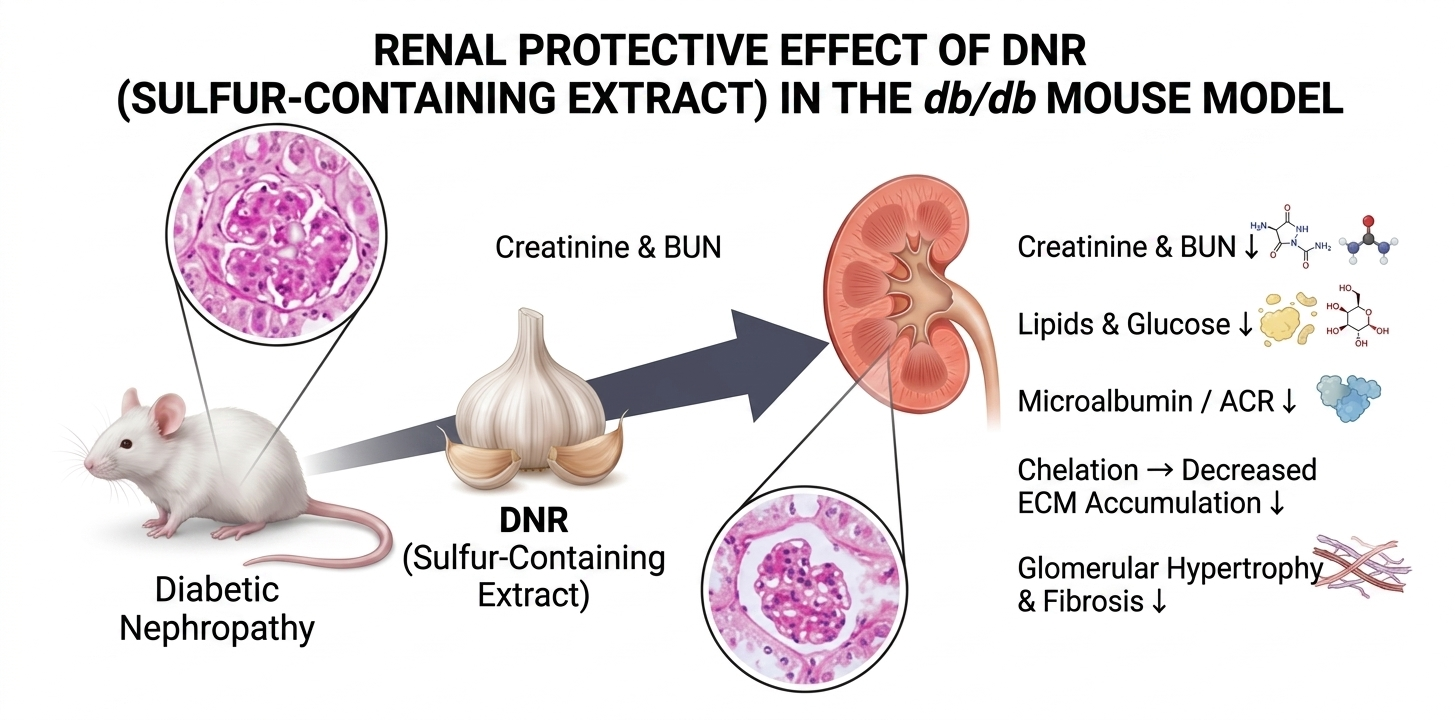
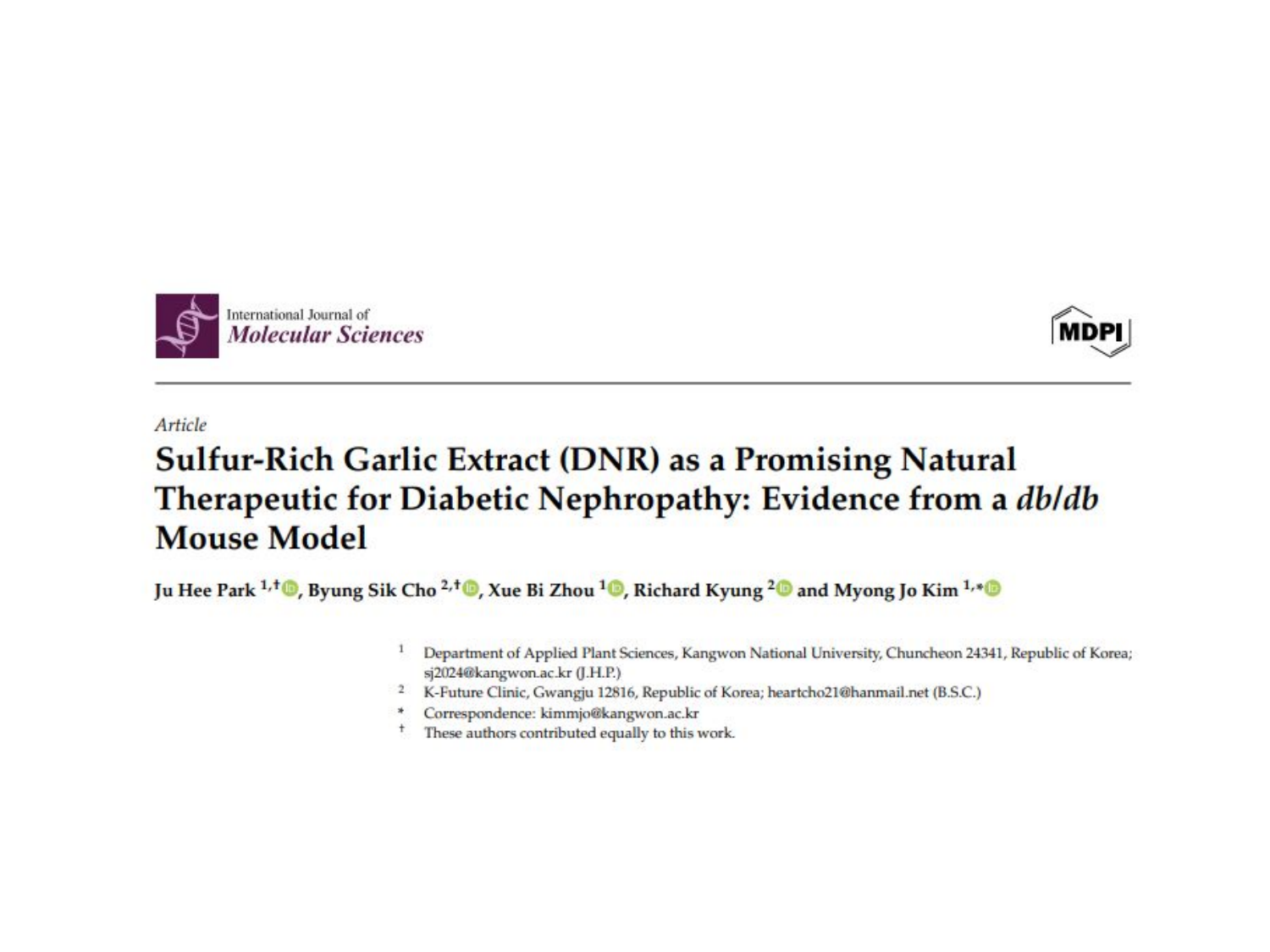
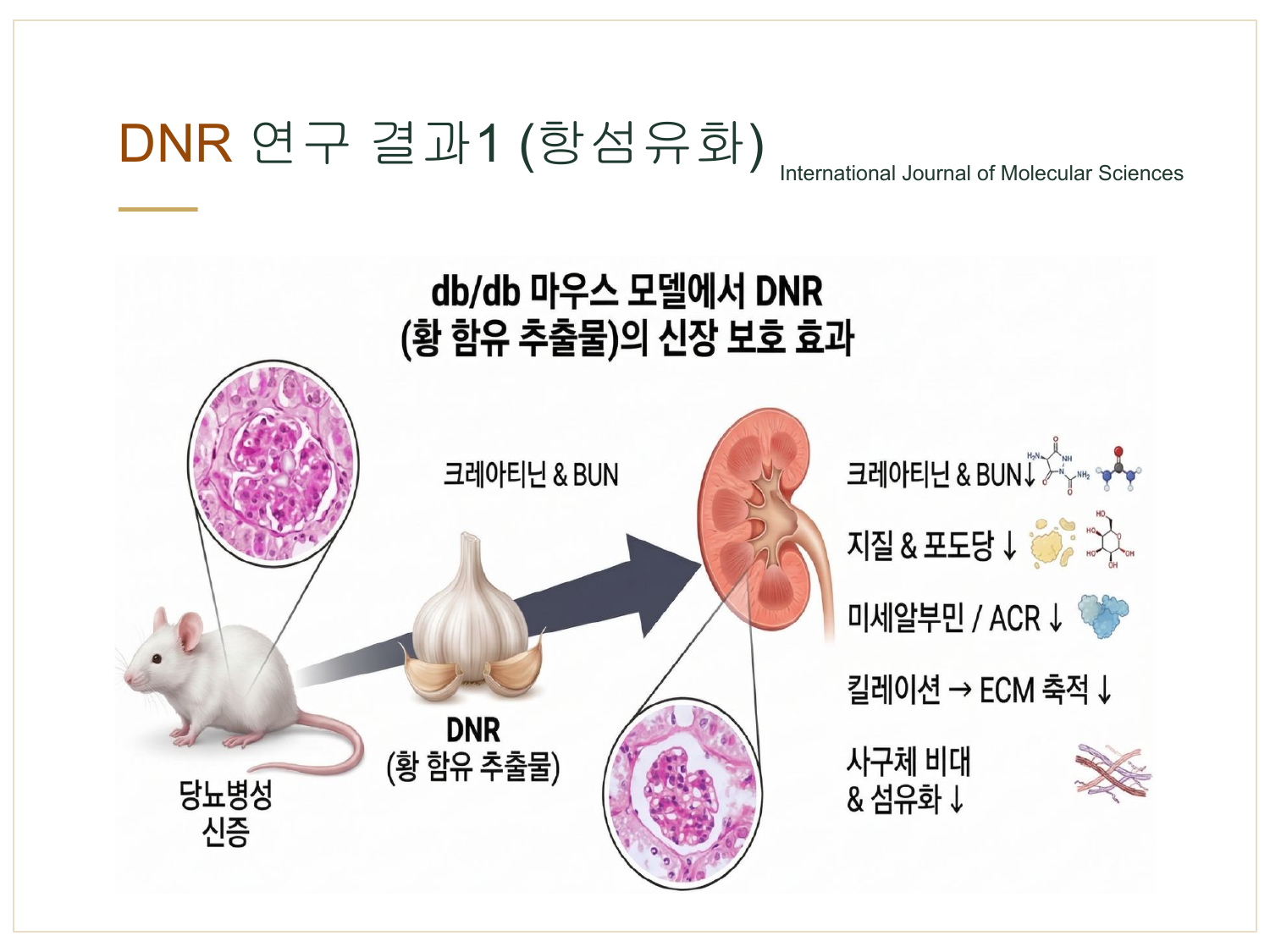
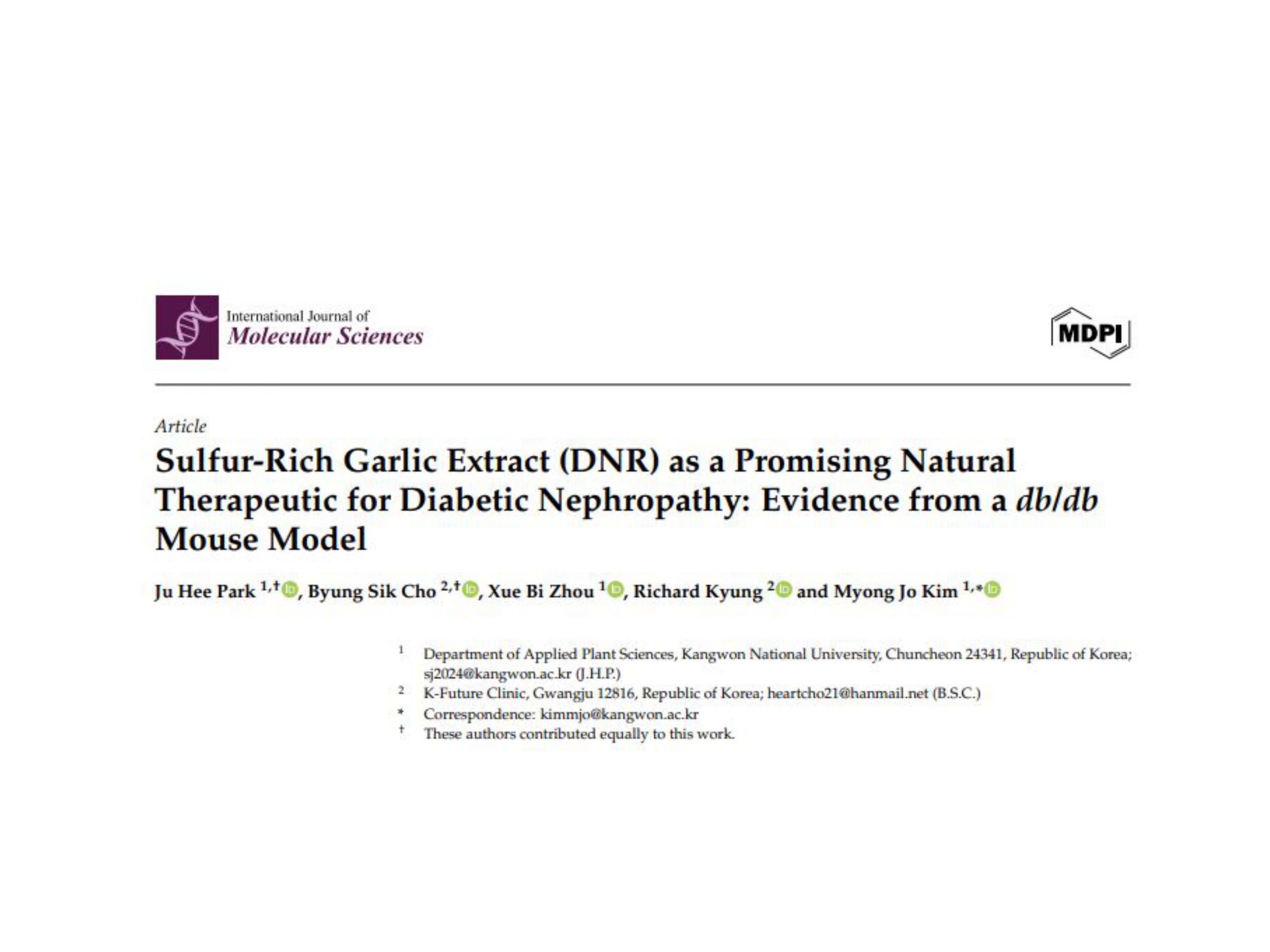
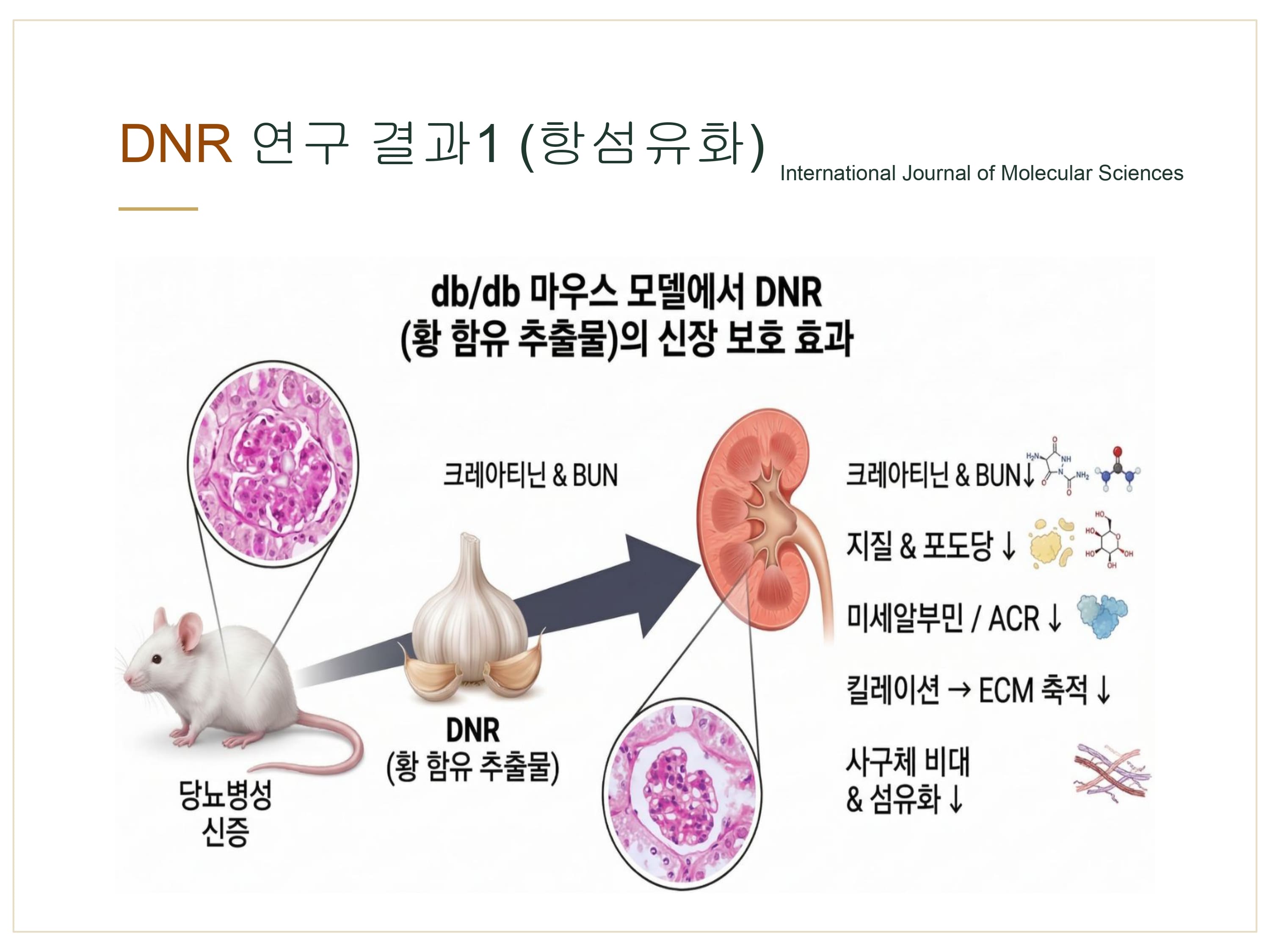
A 2025 study published in the International Journal of Molecular Sciences showed that sulfur-rich garlic extract demonstrated potential for reducing fibrosis and protecting kidney tissue in an animal model of diabetic nephropathy.
2. Epigenetic Reset Strategy
This strategy aims to reactivate recovery signals suppressed by a damaged cellular environment, helping create conditions in which cells can shift into regeneration and repair mode.
Recovery Gene Activation Approach
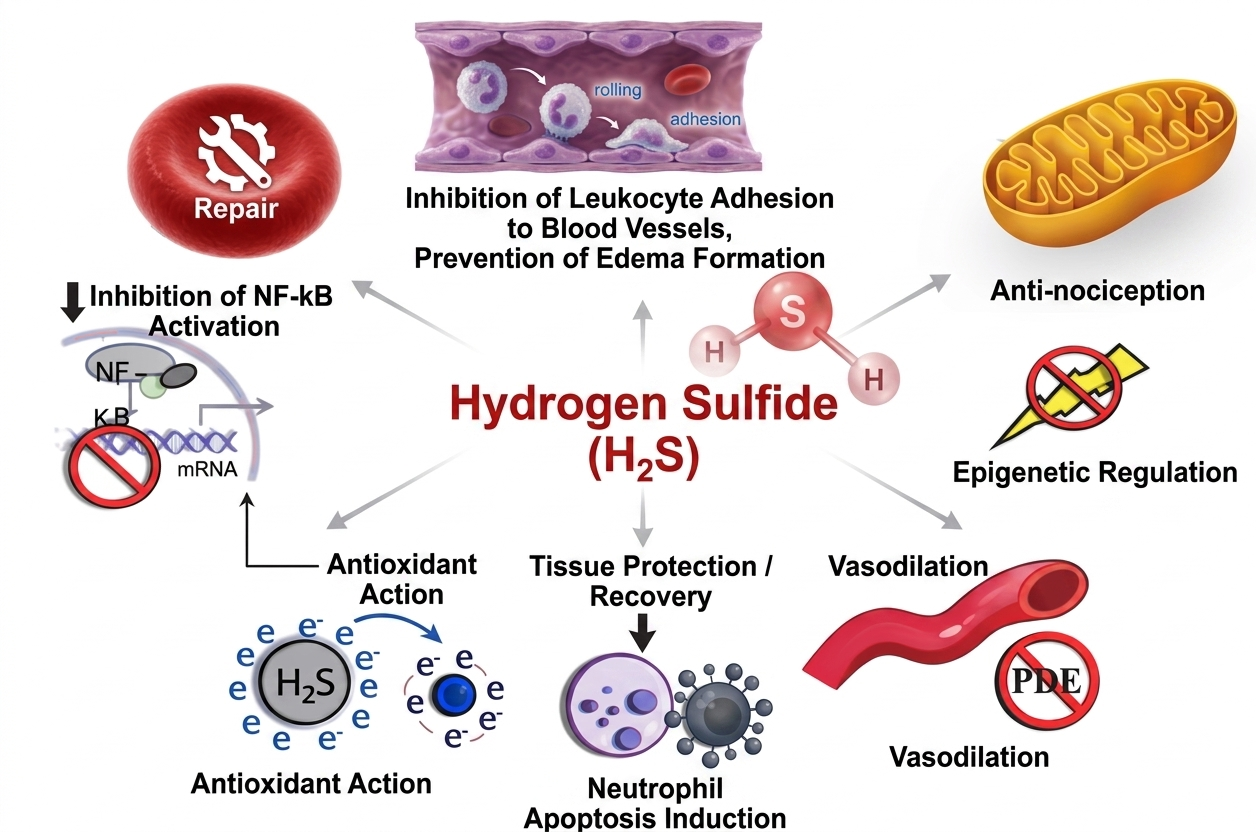
Hydrogen sulfide (H₂S)-related signaling and organic sulfur compounds are being studied in relation to antioxidant systems, vascular function, mitochondrial function, and inflammatory balance.
Their connection to the activation of genes involved in cellular protection and recovery is also gaining attention.
3. Regeneration Acceleration Strategy
This strategy supports the recovery and regeneration of liver and kidney cells by improving cellular energy and circulatory environments.
Hyperbaric Oxygen Therapy
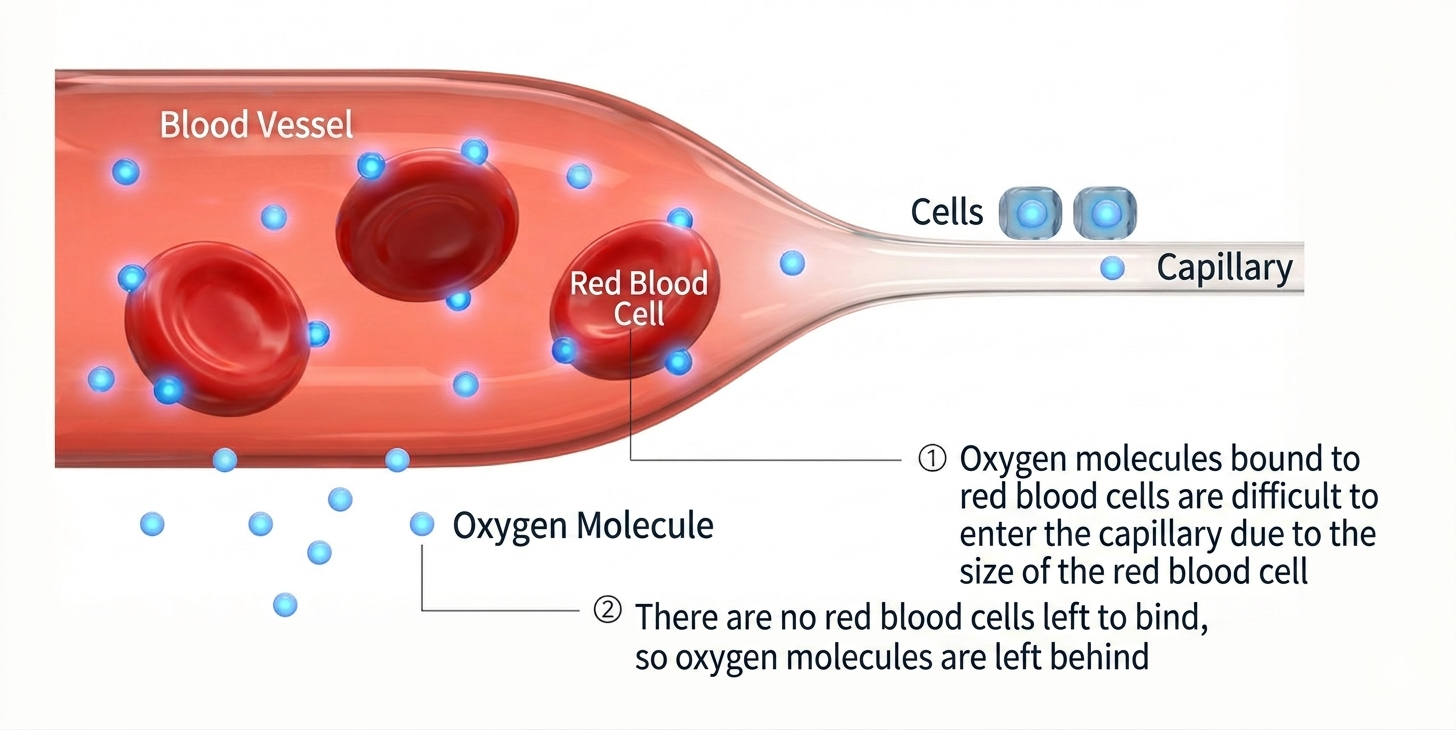
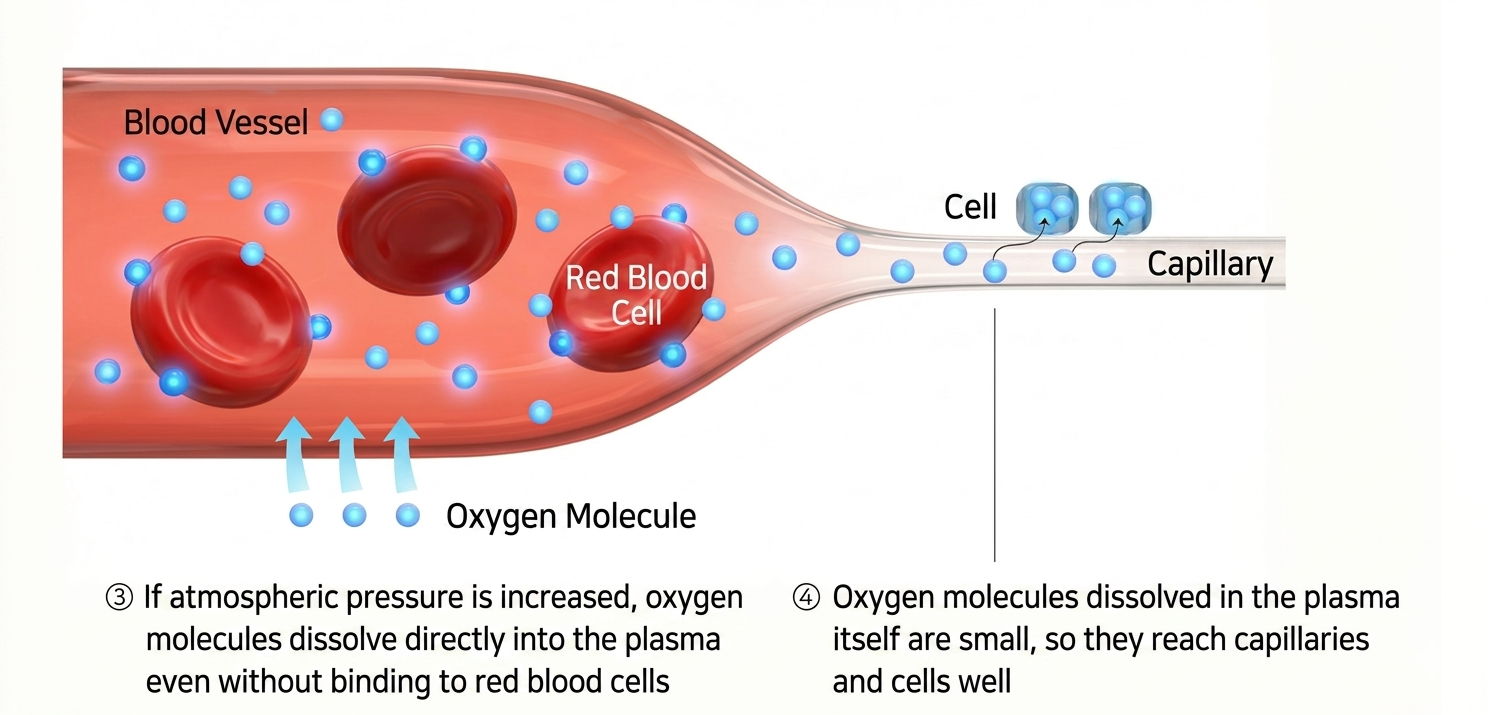
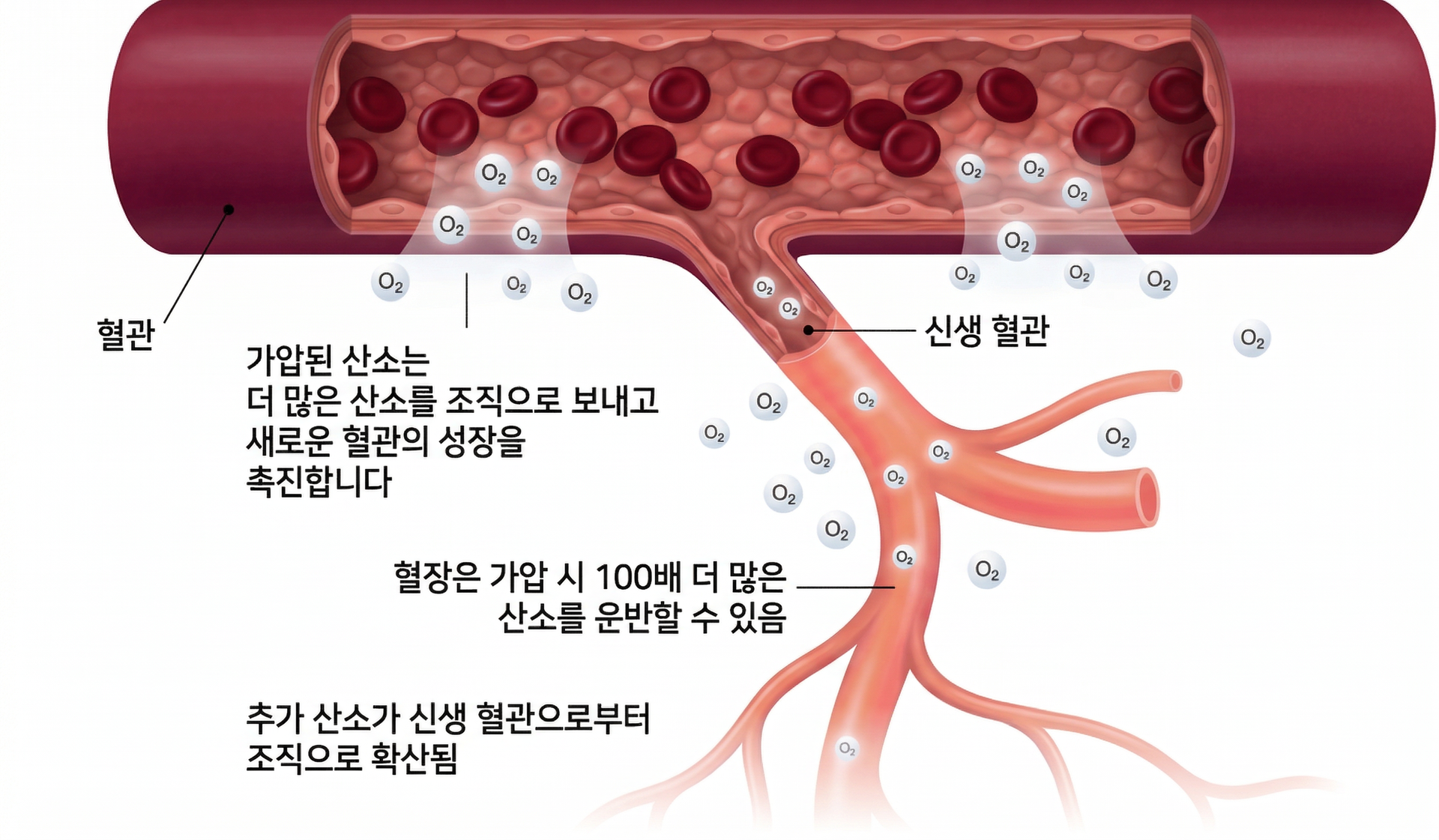
Hyperbaric Oxygen Therapy increases oxygen supply under high-pressure conditions, helping improve tissue oxygen circulation and activate cellular metabolism.
Based on Henry’s Law, which states that the amount of gas dissolved in a liquid increases in proportion to pressure, this therapy increases oxygen dissolved in the plasma and supports a more favorable environment for tissue recovery.
Expected Benefits
- • Increased tissue oxygen supply
- • Activation of cellular metabolism
- • Improved circulation and recovery environment
- • Support for new blood vessel formation
- - Blood vessel condition under normal atmospheric pressure (1 atm)
-
- - Inside a hyperbaric oxygen chamber at 2–3 atm
-
Effects & Applicable Conditions

Amino Acid & Mineral Nutritional Support
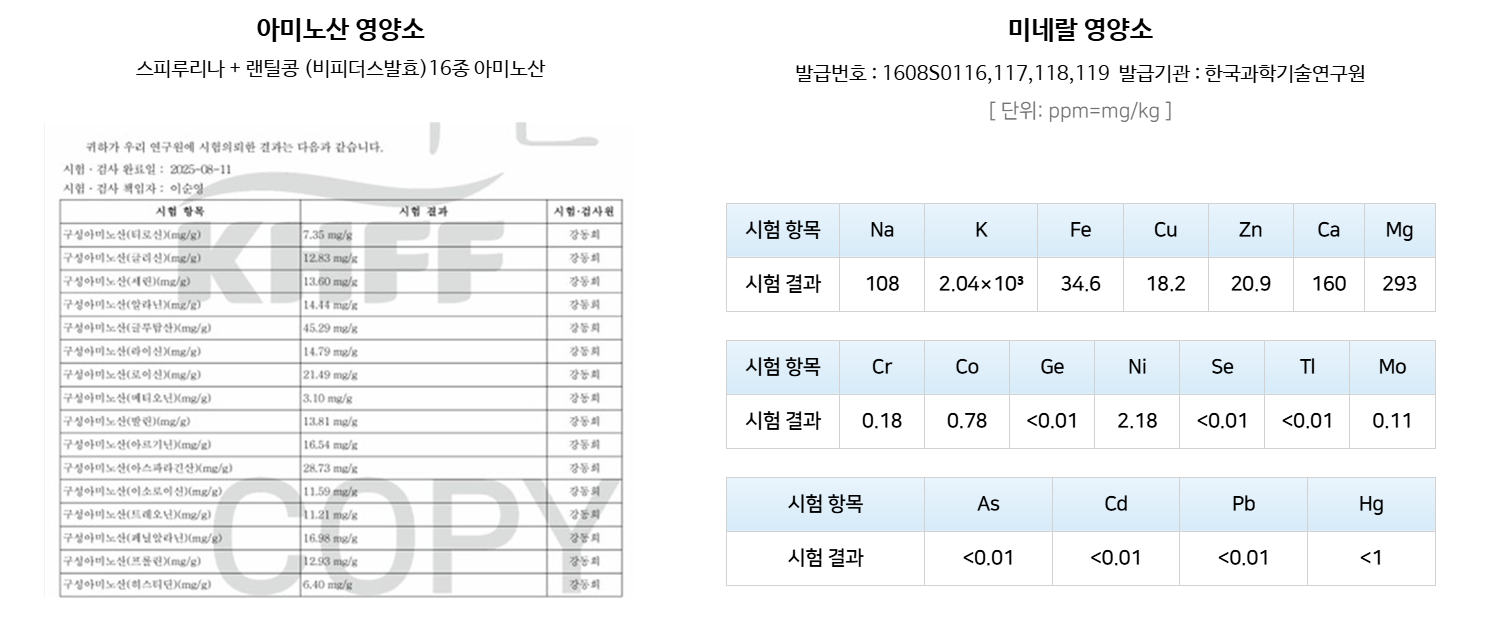
Essential amino acids and minerals required for cellular recovery and metabolic processes are supplied to help create a foundation for recovery.
Main Components
- Spirulina-based nutrients
- Amino acids derived from bifidus-fermented lentils
- 16 essential amino acids
- Complex mineral nutrients
Mitochondrial Regeneration
Mitochondria are the core organelles responsible for cellular energy production.
When mitochondrial function declines, it can lead to increased reactive oxygen species and reduced energy production, ultimately contributing to decreased cellular function.
The Mitochondrial Regeneration Program aims to restore cellular energy efficiency and metabolic balance.

Cell Membrane Potential Normalization
By restoring the balance of cell membrane potential, this approach supports stable intercellular signaling and energy metabolism.

4. Primo Regeneration Strategy
Based on the restoration of balance in the body’s circulation and signaling systems, this approach helps coordinate the environment for recovery and regeneration.

Primo Vessel & Third Circulatory System Approach
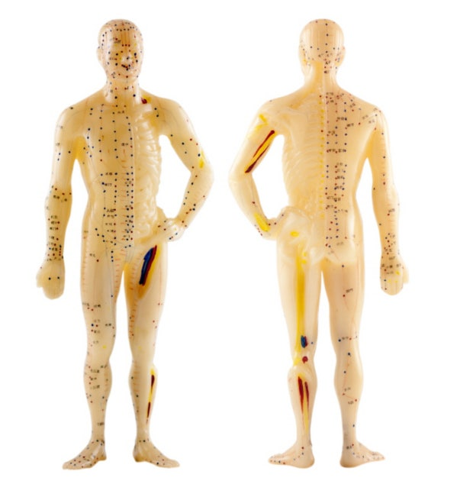
The Primo System, including Primo Vessels and Primo Nodes, is introduced as a research concept related to whole-body circulation and signal transmission, and its connection with meridians and bio-signaling networks is being studied.

Twelve Meridians & Eight Extraordinary Vessels
This approach integrates the meridian concept of Eastern medicine with modern interpretations of the autonomic nervous, immune, and endocrine networks.
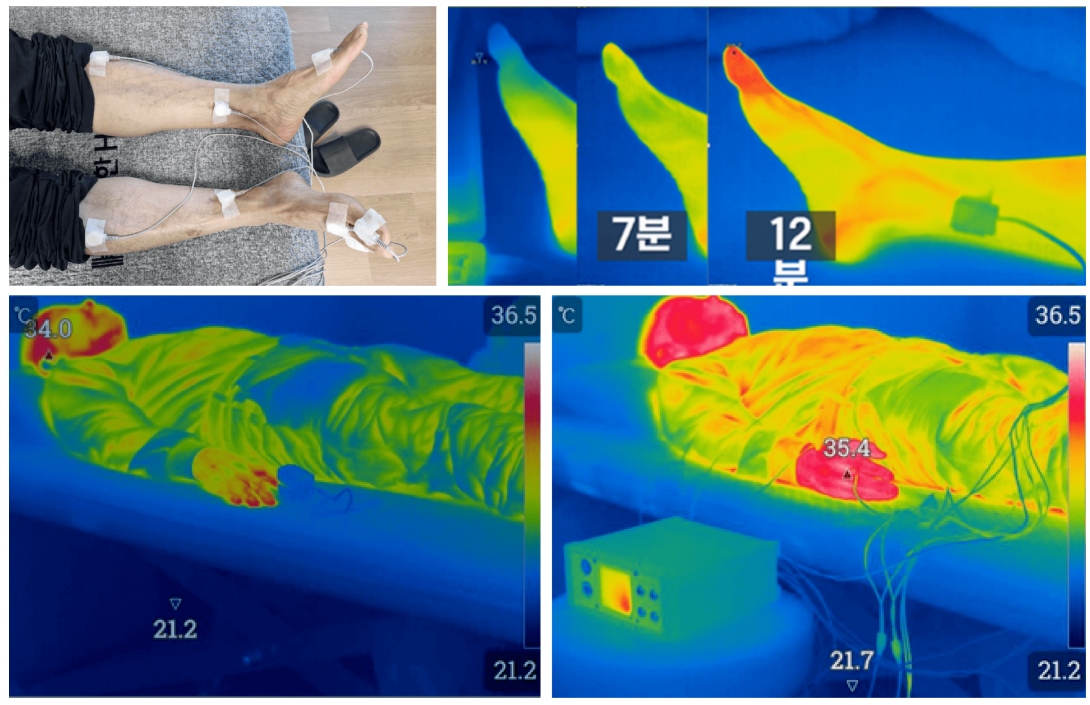
Primo Photon Therapy
A program that uses light and circulatory stimulation to support the recovery environment and restore balance within the body.
5. Lifestyle · Mind · Neuro Strategy
Recovery of the liver and kidneys requires not only treatment, but also management of lifestyle environment and autonomic nervous system balance.
Lifestyle habits, exercise, breathing, and stress management are important elements in maintaining a healthy recovery environment.
Factors That Influence Kidney Function Improvement
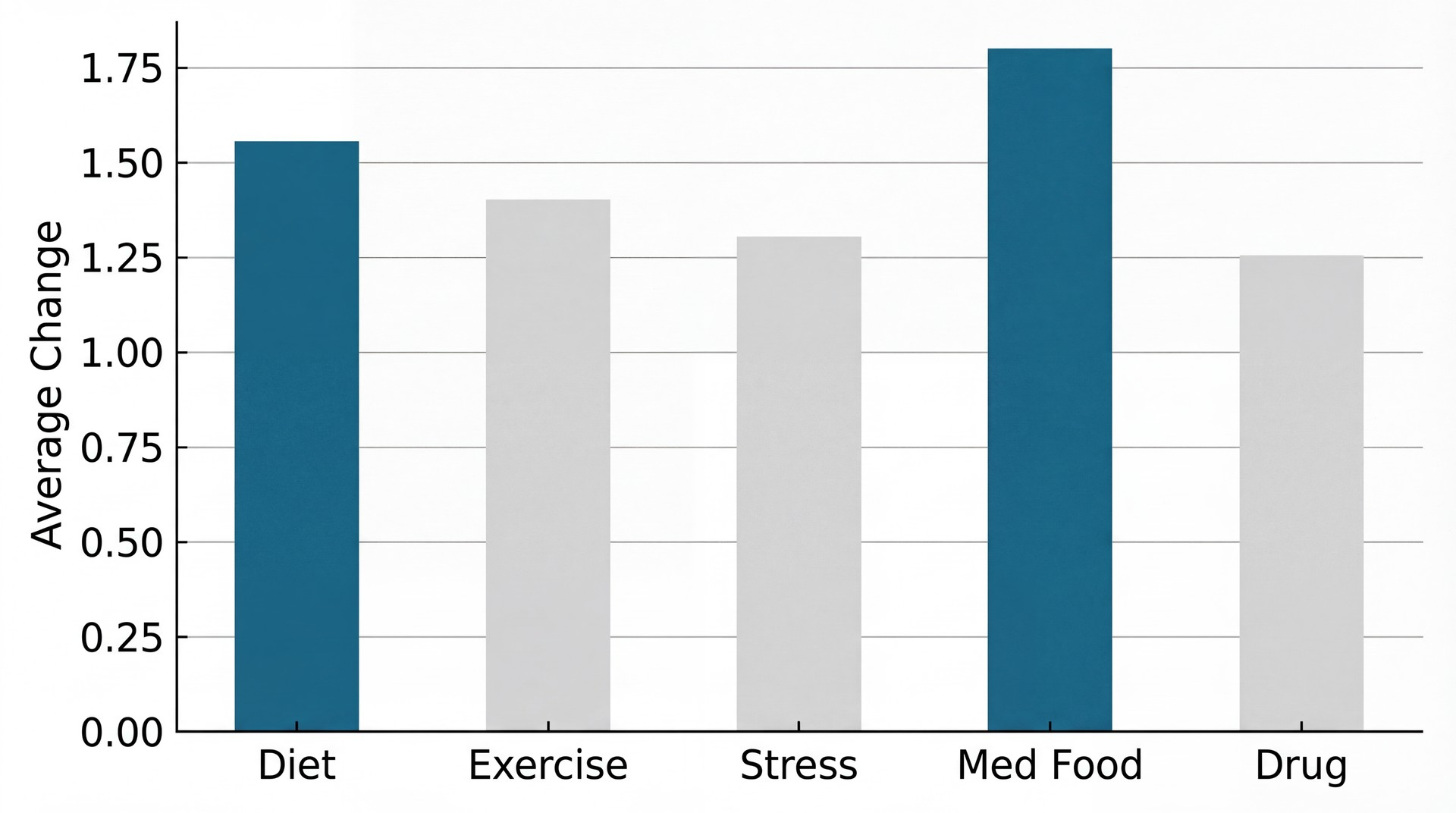
The first factor is intake of medical food containing organic sulfur compounds, followed by dietary management, exercise, and stress management.
Diet, exercise, and stress management are considered the three major natural healing methods and are also fundamental approaches in liver and kidney regeneration.
Cellular Nutrition Habits
Natural, Whole Foods
This approach emphasizes a diet centered on unprocessed, natural ingredients.
Vegetables, fruits, whole grains, nuts, seaweed, olive oil, and other whole-food ingredients may help maintain balance in the cellular environment.
Antioxidant-Rich Diet
Colorful vegetables and fruits contain abundant antioxidant compounds.
An antioxidant-rich environment plays an important role in cellular protection and recovery.
Reducing Sugar and Excessive Fat Intake
Excessive sugar and processed food intake can increase metabolic burden and oxidative stress.
Adequate Hydration
Drinking 1.5 liters of clean water per day is an important factor in maintaining circulation and metabolic processes.
Cellular Exercise Habits
- 10-minute exercise to support healthy blood sugar and blood pressure
- Happy Dance
- Hiking
- Walking
- 10,000 steps a day / power walking
- Strength training: squats, horse stance, lunges, rowing, stair climbing
- Wind bathing
- Ankle pump exercise
Mind–Neuro Recovery Program
Chronic stress and persistent tension may affect the balance of the autonomic nervous system, immune system, and circulatory system.
Breathing and meditation-based approaches may help restore stability in both body and mind, while supporting a healthy recovery environment.
Coherence of the mind → coherence of the body’s energetic field → health
Disturbance of the mind → disturbance of the body’s energetic field → disease

Breathing Recovery Program
Recovery may begin with changing the way we breathe.
Breathing Guide
- Sit or lie down comfortably.
- Slowly inhale through the nose for 4 seconds.
- Pause for 1–2 seconds.
- Slowly exhale for 6–8 seconds.
- Repeat this cycle 10 times.
Meditation & Relaxation Program
1. Breath Meditation
“A meditation focused on your present breath”
- Sit or lie down in a quiet place.
- Close your eyes and slowly breathe in and out through your nose.
- Observe your inhalation, exhalation, and bodily movement.
- When thoughts arise, gently return your attention to your breath without following them.
Just five minutes of conscious breathing each day can naturally help calm the mind.
2. Mindfulness Meditation
“A meditation of observing your emotions and physical state exactly as they are.”
- Notice how you feel right now. Are you tense? Relaxed?
- Observe your body. Are your shoulders stiff? Is your chest tight?
- Without judging or analyzing, simply acknowledge what you feel.
Through awareness alone, the body and mind can gradually become more stable and relaxed.
연구 자료