Metabolic and Immune System Diseases
Metabolic & Immune Integrative Therapy
Cellular recovery goes beyond simple treatment. Recovery may become more effective when energy metabolism, immune balance, nutritional support, and stabilization of the cellular environment are addressed together.
The Metabolic & Immune Integrative Therapy Program aims to create a comprehensive recovery environment for the body by supporting cellular energy production systems and immune function restoration.
Metabolic Therapy Program
1. Hyperbaric Oxygen Therapy
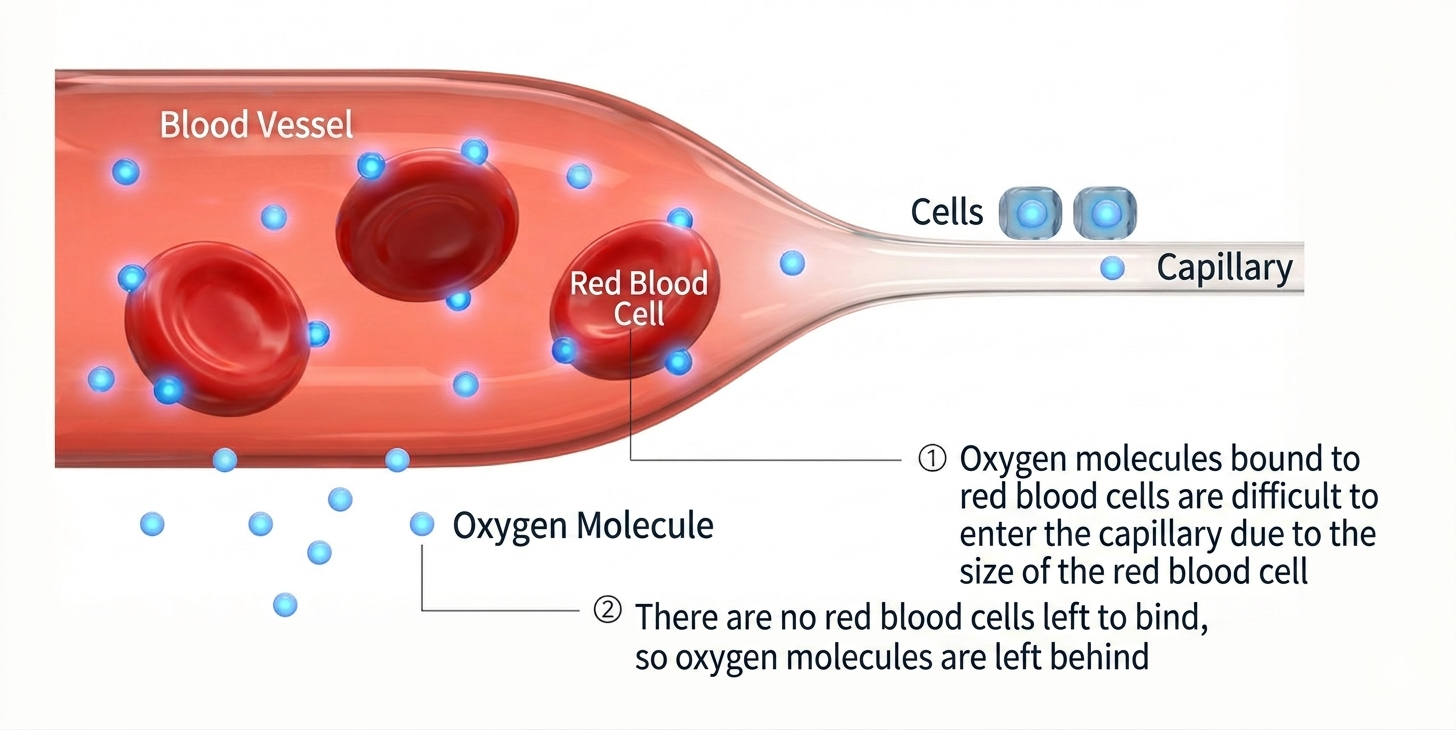
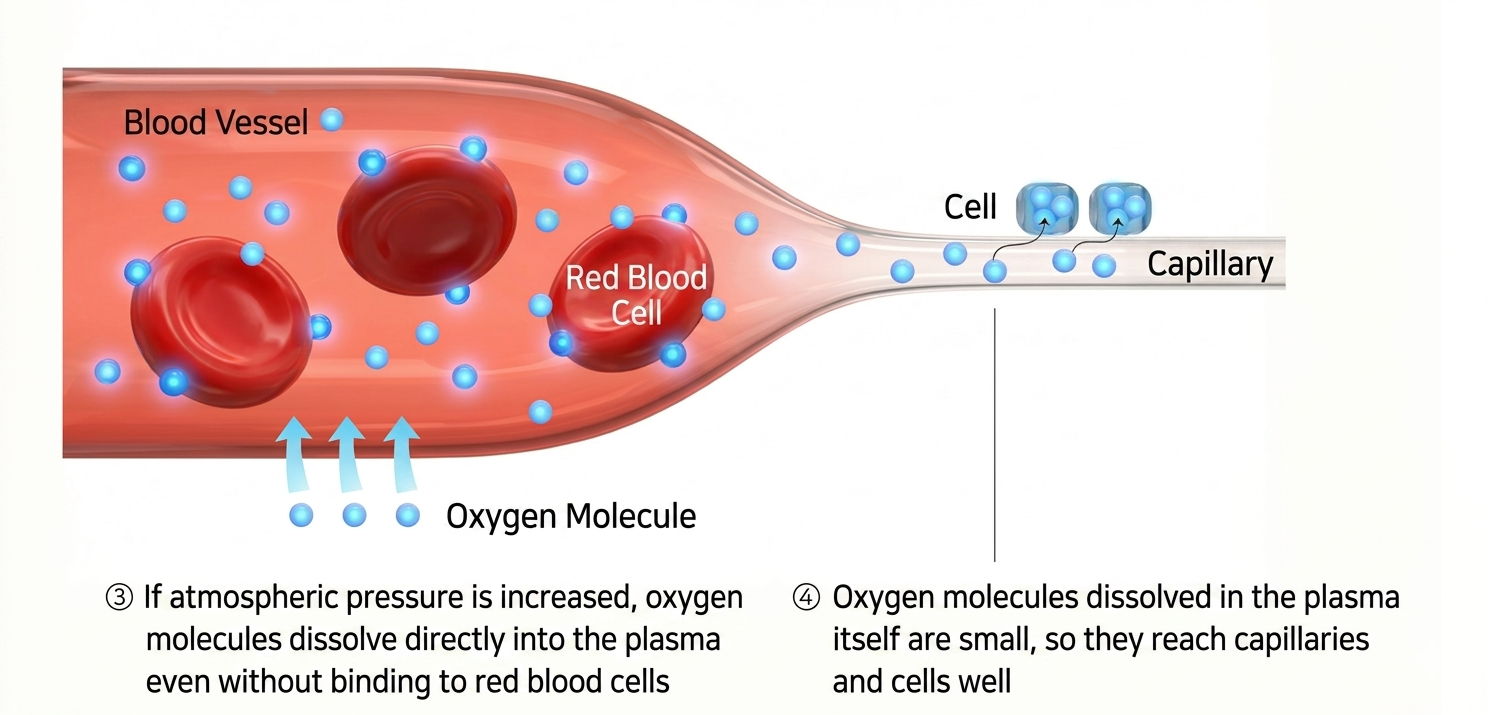
Hyperbaric Oxygen Therapy increases oxygen supply under high-pressure conditions, helping improve tissue oxygen circulation and activate cellular metabolism.
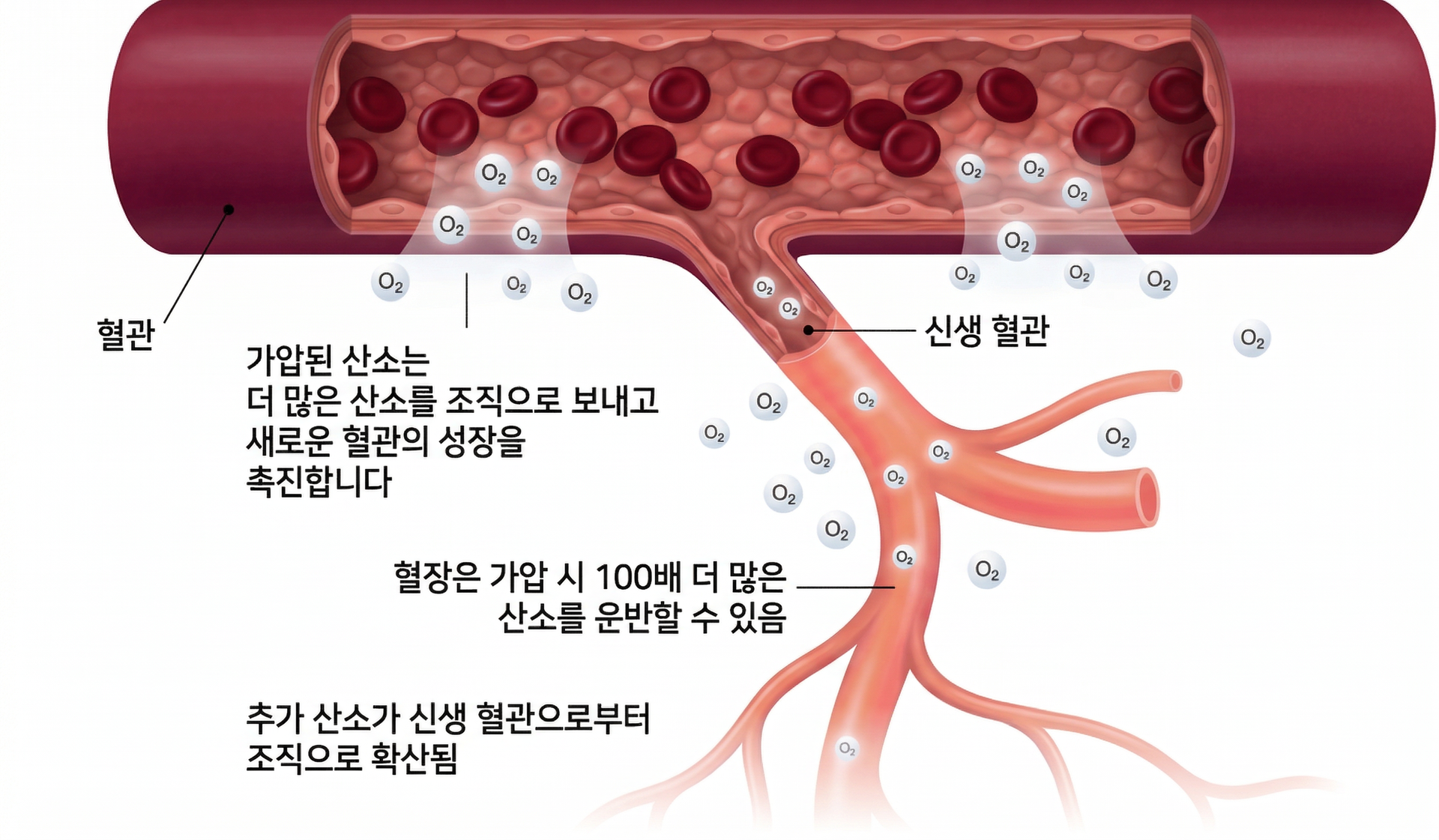
Based on Henry’s Law, which states that the amount of gas dissolved in a liquid increases in proportion to pressure, this therapy increases oxygen dissolved in the plasma and supports a more favorable environment for tissue recovery.
Expected Benefits
- Increased tissue oxygen supply
- Activation of cellular metabolism
- Improved circulation and recovery environment
- Support for new blood vessel formation
- - Blood vessel condition under normal atmospheric pressure (1 atm)
-
- - Inside a hyperbaric oxygen chamber at 2–3 atm
-
Effects & Applicable Conditions

2. Amino Acid & Mineral Therapy
This therapy supplies essential amino acids and minerals required for cellular recovery and metabolic processes, helping support energy production and create a foundation for recovery.
Main Components
- Spirulina-based nutrients
- Amino acids derived from bifidus-fermented lentils
- 16 essential amino acids
- Complex mineral nutrients
- - 16 Types of Amino Acids
-

- - Minerals
Certificate Numbers: 1608S0116, 117, 118, 119
Issuing Institution: Korea Institute of Science and Technology (KIST)
[Unit: ppm = mg/kg]

3. Mitochondrial Regeneration
Mitochondria are the core organelles responsible for cellular energy production.
When mitochondrial function declines, it can lead to increased reactive oxygen species and reduced energy production, ultimately contributing to decreased cellular function.
The Mitochondrial Regeneration Program aims to restore cellular energy efficiency and metabolic balance.

Cellular Activity Program
Appropriate movement and physical activity may positively influence circulation, immune balance, and mitochondrial activation.
Recommended Programs
- 10,000 steps per day (Power Walking)
- Walking and hiking
- Squats, lunges, and rowing exercises
- Stair climbing
- Ankle pump exercises
- Circulation-activating stretching
4. Cell Membrane Potential Recovery
Cell membrane potential plays an important role in intercellular signaling and energy metabolism.
By restoring the balance of cell membrane potential, this approach helps stabilize cellular function and support recovery of the metabolic environment.
Expected Benefits
- Stabilization of cellular signaling
- Restoration of energy metabolism balance
- Improvement of the cellular activity environment


Immune Therapy Program
1. Antioxidant & Immune Support Therapy
The immune system plays an essential role in cancer surveillance, inflammatory regulation, and maintenance of the body’s recovery environment.
Antioxidant and immune-based therapies aim to restore immune balance and activate the body’s natural defense systems.
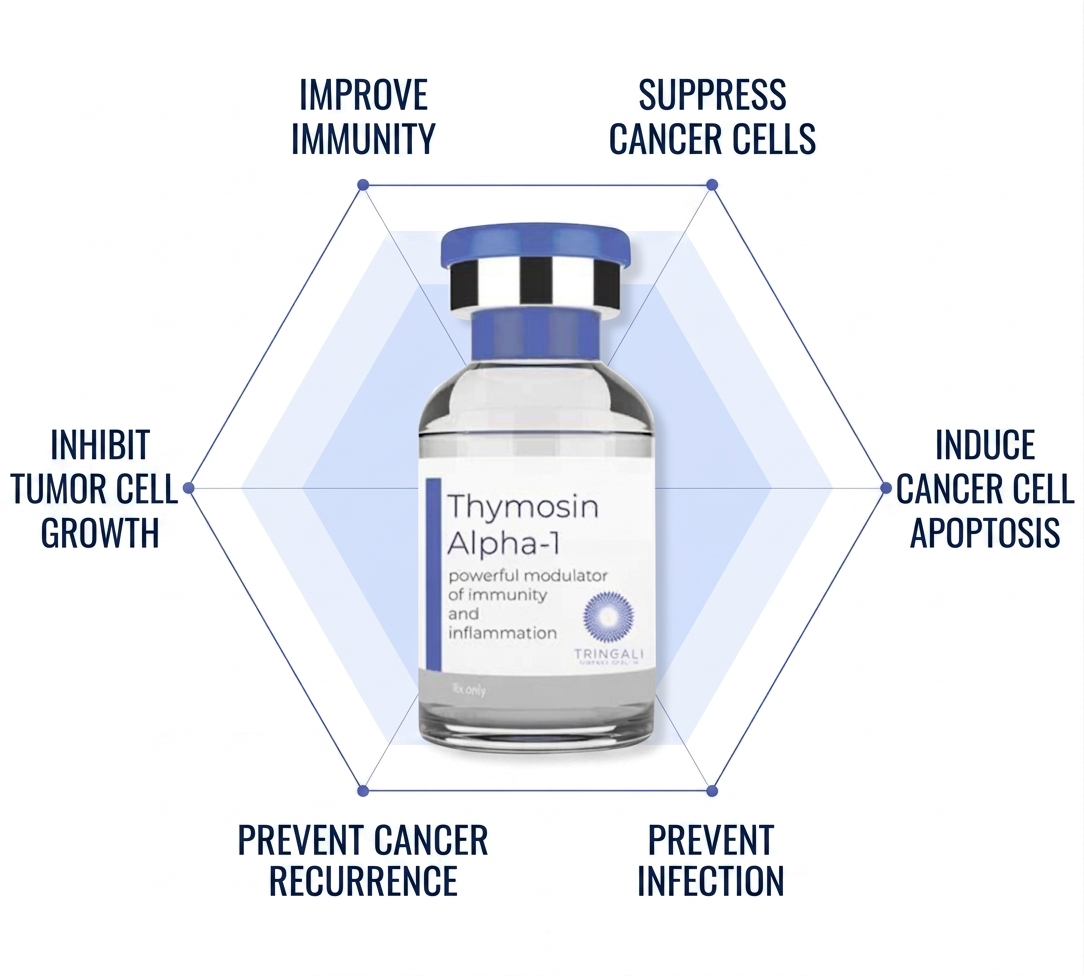
Thymosin Alpha-1 Therapy
Thymosin Alpha-1 is an immune-regulating substance derived from the thymus gland, and extensive research is being conducted regarding its relationship with T-cell and NK-cell activation.
Expected Benefits
- Support for immune cell activation
- Enhancement of NK-cell and T-cell function
- Maintenance of immune balance
- Support for managing immune suppression during cancer treatment
Mistletoe Therapy
Mistletoe-based therapy has been used for many years in Europe as a complementary integrative immune therapy approach.
Key Features
- Support for immune regulation
- Assistance in improving quality of life
- Support for recovery during cancer treatment
- Assistance in managing pain and fatigue
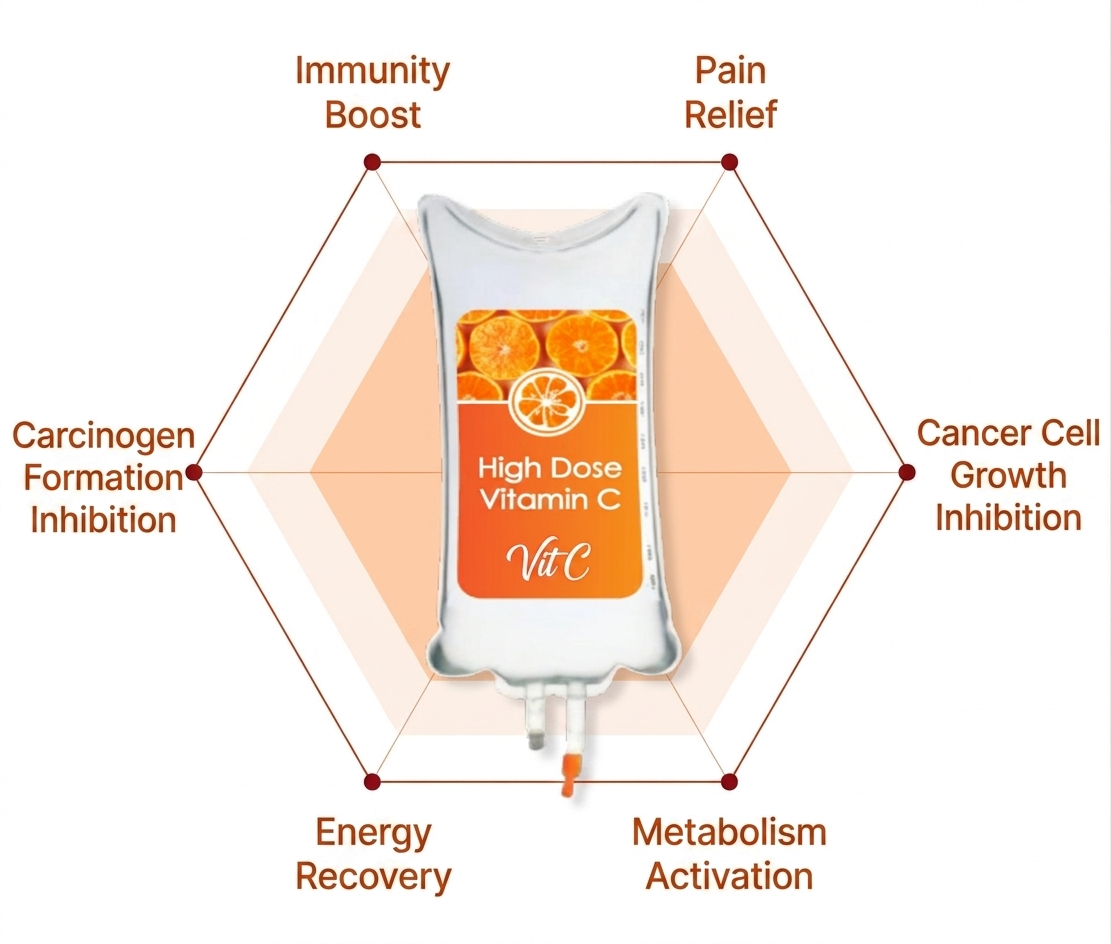
High-Dose Vitamin C Therapy
High-dose Vitamin C has been actively studied in relation to antioxidant activity and oxidative stress regulation.
It is used as a supportive therapy alongside chemotherapy and radiation therapy to help improve the body’s recovery environment.
Expected Benefits
- Creation of an antioxidant-supportive environment
- Regulation of oxidative stress
- Support for recovery conditions
- Assistance in fatigue and immune management
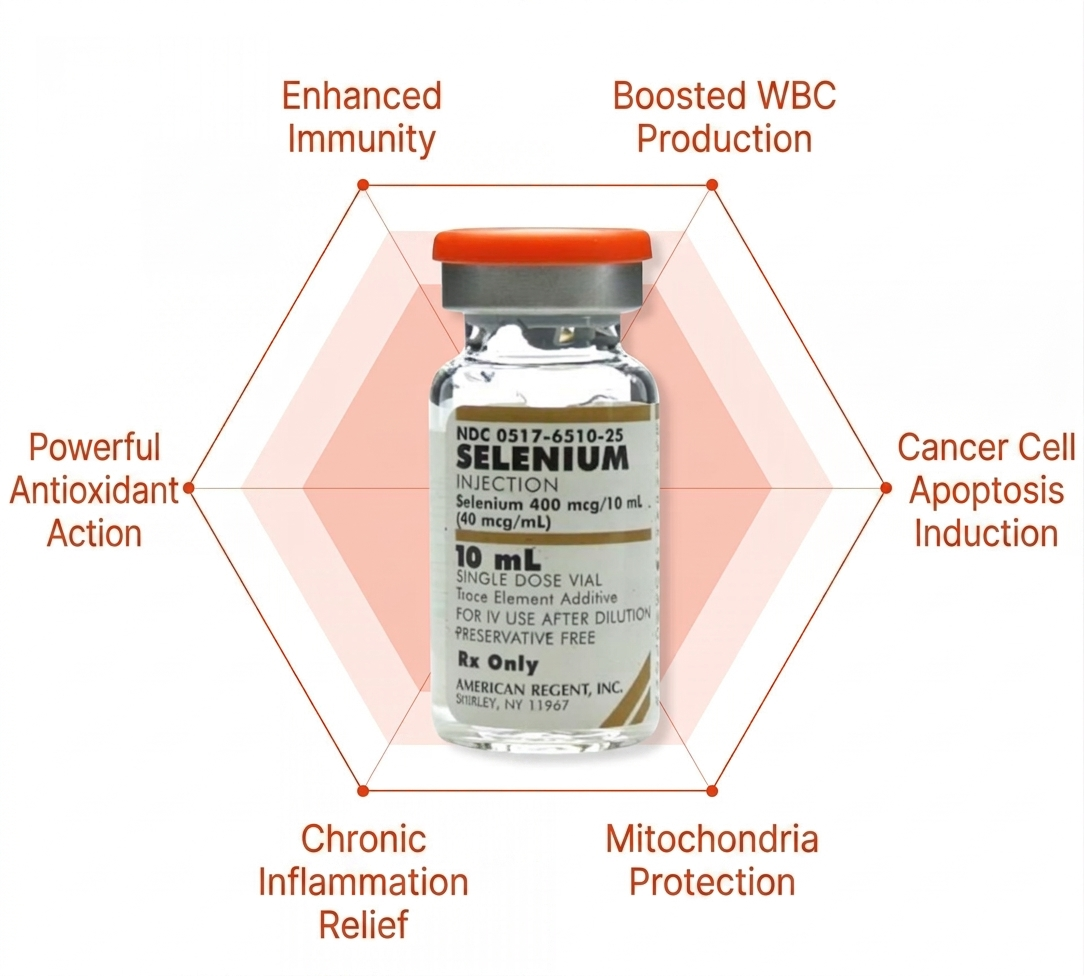
Selenium Therapy
Selenium is a mineral associated with powerful antioxidant systems and plays an important role in reactive oxygen species regulation and maintenance of immune balance.
Expected Benefits
- Support for antioxidant function
- Maintenance of immune balance
- Assistance in managing chronic inflammation
- Creation of a protective cellular environment
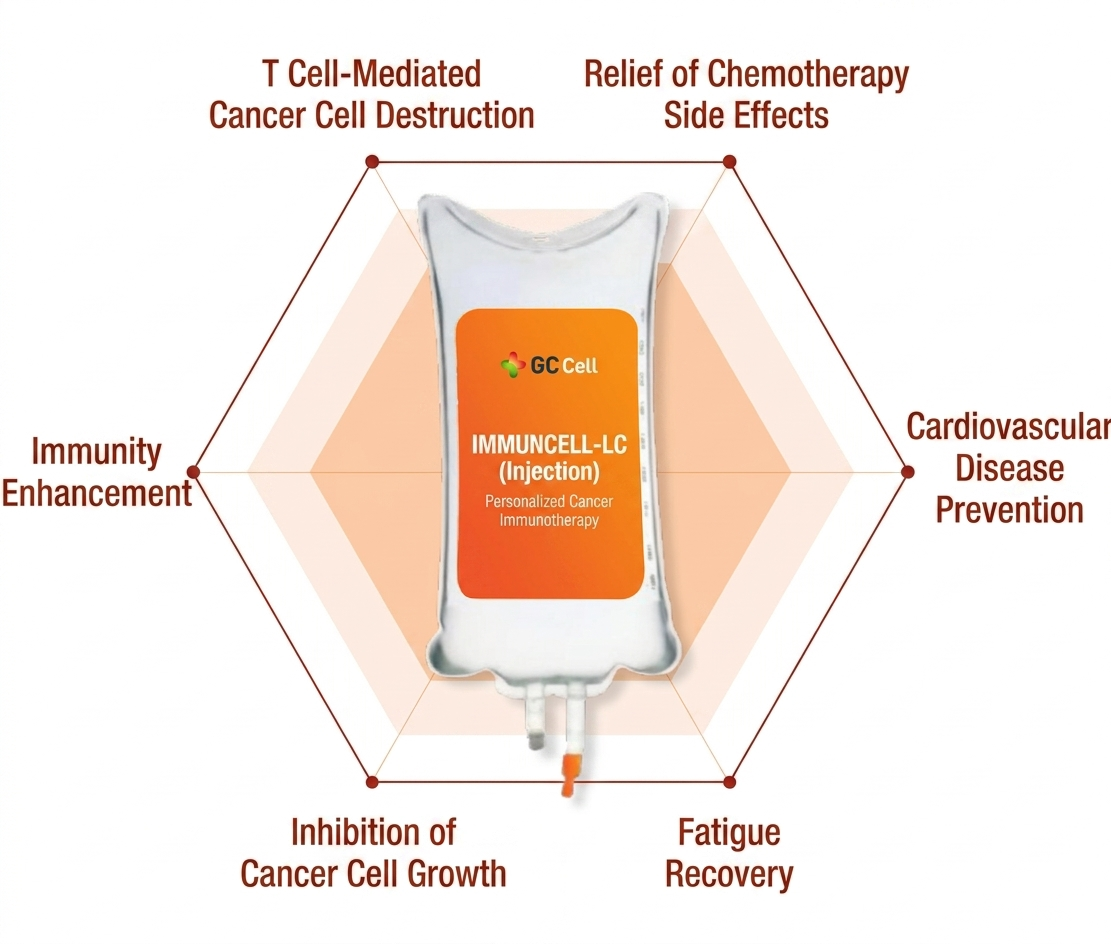
Immune Cell Therapy
Immune cell–based therapy is an approach that seeks to improve the recovery environment by activating the immune system.
Main Objectives
- Activation of immune responses
- Restoration of immune balance
- Support for maintaining the recovery environment
- Immune management following cancer treatment
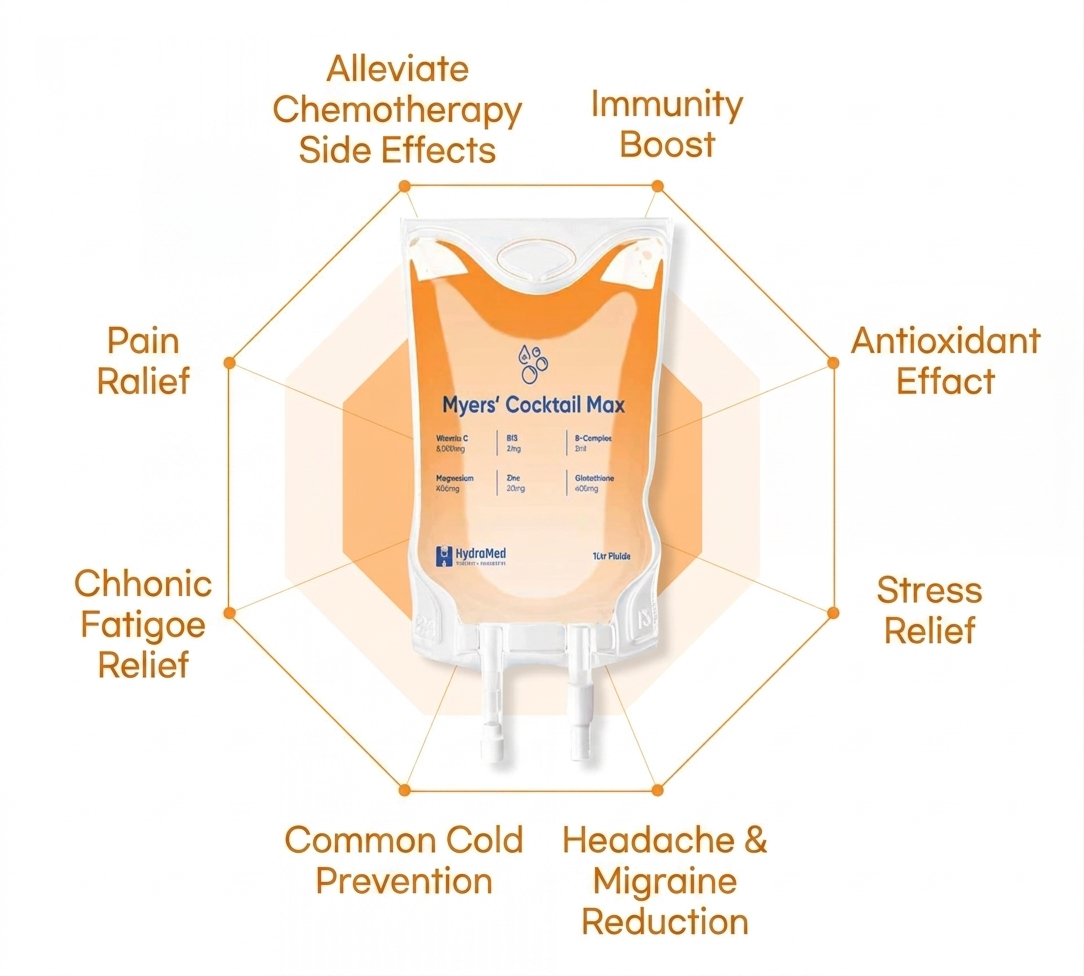
Nutrient IV Therapy
This therapy delivers vitamins and minerals intravenously to support fatigue recovery, energy production, and restoration of immune balance.
Main Components
- Vitamin B Complex
- Vitamin C
- Magnesium
- Calcium
Expected Benefits
- Activation of metabolic processes
- Support for energy production
- Maintenance of immune balance
- Assistance in fatigue recovery
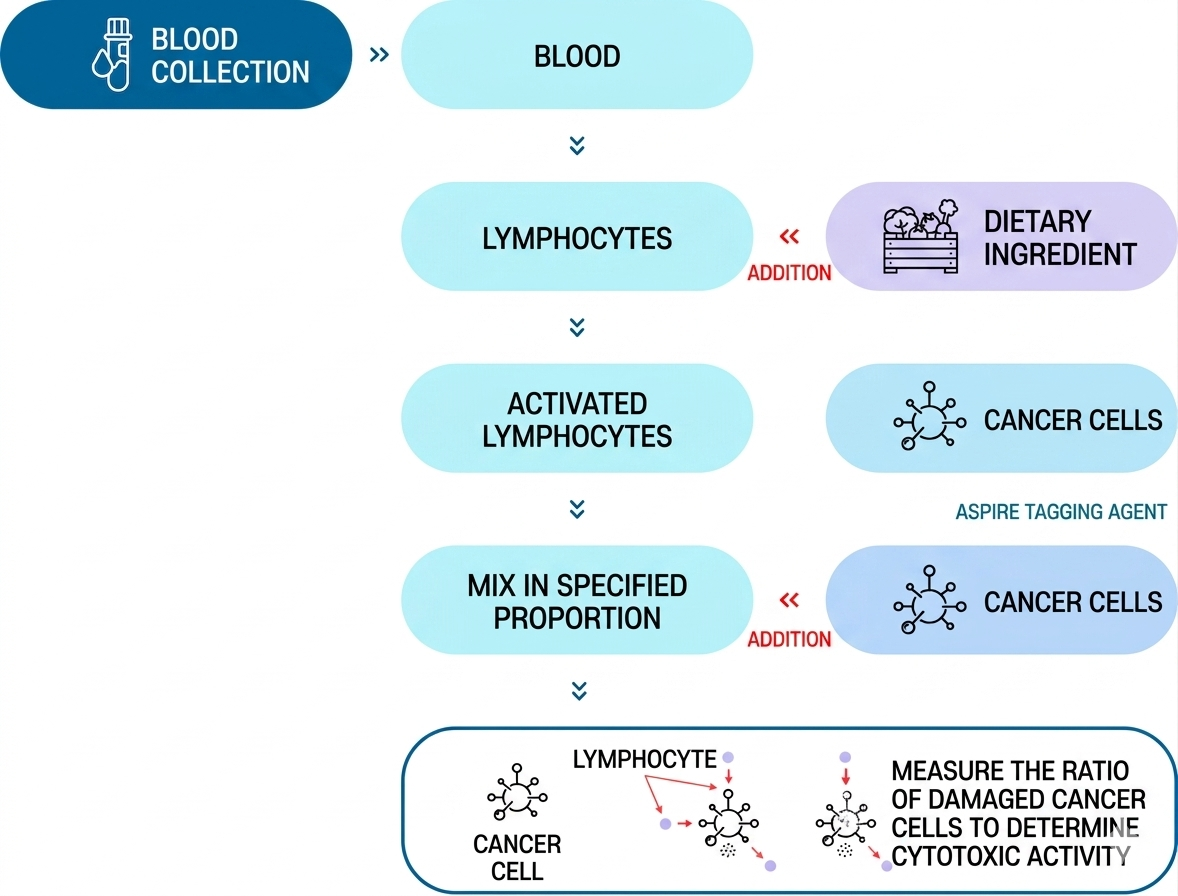
Immune Functional Assessment
Lymphocyte Activating Measurement (LAM)
LAM is a test that analyzes lymphocyte activity to evaluate immune function status and immune responses to specific food-based materials.
By analyzing individual immune response characteristics, the test can be used to help design personalized recovery and nutritional management programs.
Purpose of the Test
- Evaluation of immune function in patients with weakened immunity (e.g., cancer, autoimmune diseases)
- Supportive assessment for autoimmune conditions such as rheumatoid arthritis and lupus
- Analysis of immune responses to specific food materials to identify individually suitable foods
- Monitoring immune responses after infectious diseases such as tuberculosis, HIV, and COVID-19
- Analysis of immune status in cancer patients and evaluation of responses to immune therapy
Personalized Immune Analysis
Individual immune responses and compatibility with specific food materials are analyzed to help develop personalized nutrition and immune management programs.
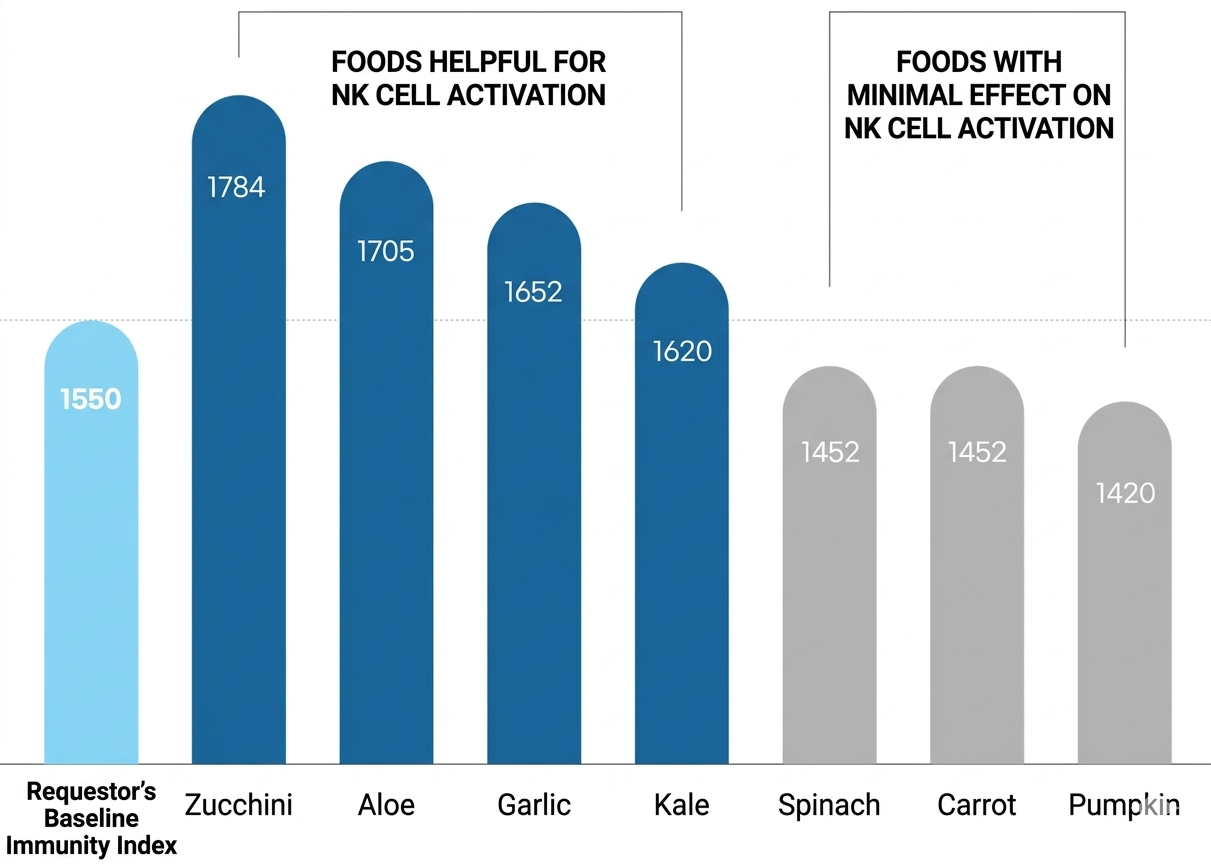
Case Example
Female / 55 years old / Breast Cancer
1. Baseline Immune Status
The patient’s baseline immune score was 1550, indicating a reduced immune status compared with the normal range (1800 or higher).
2. Immune Response Measurement After Activation of Lymphocytes with BRM Processed Foods
Foods That Helped Support NK Cell Activation
(foods considered compatible with the patient’s constitution)
- Zucchini
- Aloe
- Garlic
- Kale
Foods Showing Lower Influence on NK Cell Activation
(foods considered less compatible with the patient’s constitution)
- Spinach
- Carrot
- Sweet pumpkin (Kabocha squash)
연구 자료